 Go Back


U.S. Senators Propose Bill to Safeguard AI from Foreign Adversaries
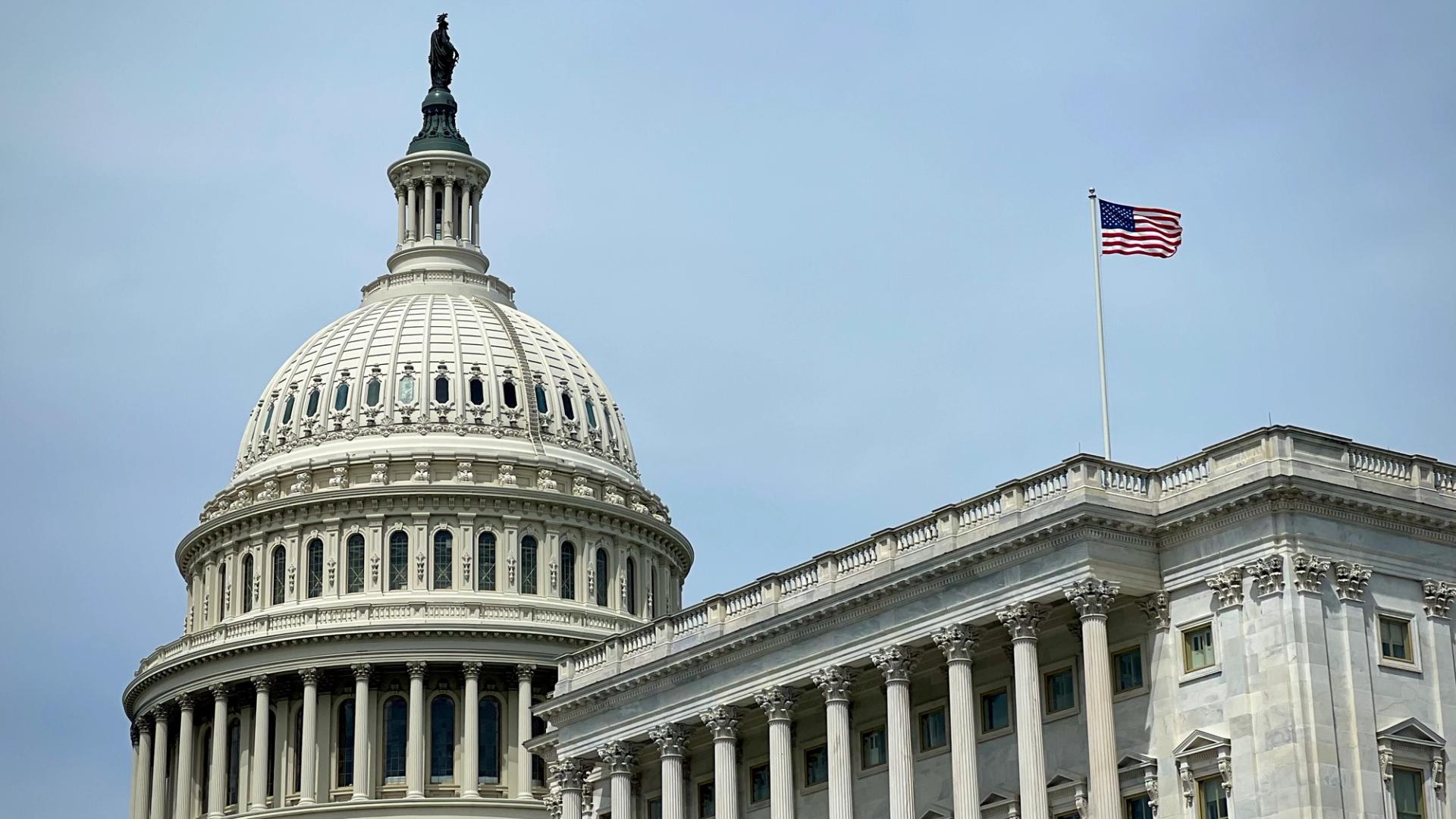
The continuous advancement of artificial intelligence (AI) technology has spurred a robust debate about national security and economic sovereignty. Recently, U.S. Senators Tim Scott and Bill Hagerty introduced a significant bill designed to enhance the government’s ability to safeguard American AI innovations from potential foreign adversaries. This move comes in the wake of growing concerns about the implications of AI technology being exploited or compromised by non-allied nations.
Quick Take
| Key Components | Details |
|---|---|
| Senators Involved | Tim Scott and Bill Hagerty |
| Aim of the Bill | Protect U.S. AI technology from foreign threats |
| Context | Enhanced national security measures |
| Impact Potential | Shifts in global AI competition dynamics |
Market Context
The backdrop of this legislative effort is the escalating global competition in AI development. Countries like China and Russia are rapidly advancing their AI capabilities, driven by state-sponsored initiatives and vast data resources. This has led to an environment where the geopolitical stakes surrounding technology are higher than ever. The introduction of the bill signifies a pivotal moment for the U.S., aiming to assert its dominance in AI innovation while simultaneously addressing national security concerns.
Moreover, the recent surge of investment in AI technologies has drawn attention from various sectors, including finance, healthcare, and defense. However, as these technologies evolve, so does the risk associated with them—particularly regarding the potential misuse or theft of sensitive intellectual property and data.
Global AI Landscape
The global AI ecosystem is presently marked by:
- Rapid Development: Countries are racing to lead in AI capabilities, impacting economic, military, and technological fronts.
- Investment Surge: Billions are being poured into AI research and development, with both public and private sectors heavily investing in startups and research institutions.
- Increased Regulation: Governments are beginning to implement regulations to manage AI's implications, focusing on ethical considerations and national security.
SWOT Analysis
Strengths
- Enhanced Security: The proposed bill could significantly bolster U.S. technological defenses, limiting the potential infiltration of foreign adversaries.
- Innovation Encouragement: With clearer regulations, U.S. companies may feel more secure in their investments in AI technologies.
Weaknesses
- Potential Overreach: There is a risk that overly restrictive measures could stifle innovation and collaboration within the global AI community.
- Resource Allocation: Diverting funds and focus to regulatory measures may detract from direct investment in AI research.
Opportunities
- Leadership in AI: By positioning itself as a leader in AI security, the U.S. can set international standards and practices that could influence global norms.
- International Collaboration: The U.S. could forge alliances with like-minded nations to collectively enhance AI security measures and share insights.
Threats
- Retaliation from Adversaries: This bill could provoke countermeasures from nations like China, potentially escalating tensions in technological domains.
- Race to the Bottom: If other nations respond with their own restrictive measures, a fragmented global AI environment may emerge, limiting beneficial collaborations.
Impact on Investors
For investors navigating the complex waters of AI and technology, this proposed bill introduces a mix of opportunities and challenges. Companies in sectors poised to benefit from AI innovations, such as cybersecurity firms, may see increased interest and investment as the government seeks to bolster its defenses.
Conversely, investors must remain cautious of the regulatory landscape. Increased scrutiny and restrictions may impact the operational capabilities of startups and established firms within the AI space, potentially leading to volatility in stock prices.
Future Predictions
- Increased Investment in AI Security: As the U.S. government emphasizes the protection of AI technologies, we may see a boom in companies specializing in AI security and compliance solutions.
- Global Realignment: The geopolitical landscape surrounding AI may undergo significant shifts, with the U.S. reinforcing its leadership while other nations recalibrate their strategies.
- Regulatory Framework Evolution: This bill could spark a series of regulatory developments that shape the future of AI and its applications globally.
Conclusion
The introduction of the bill by Senators Scott and Hagerty marks a crucial step in addressing the multifaceted challenges posed by AI technology. By prioritizing national security while fostering innovation, the U.S. seeks to navigate a complex global landscape. Investors and stakeholders in the AI domain must remain vigilant and adaptable as this narrative unfolds, opening new doors for growth and collaboration, while preparing for potential challenges ahead.