 Go Back

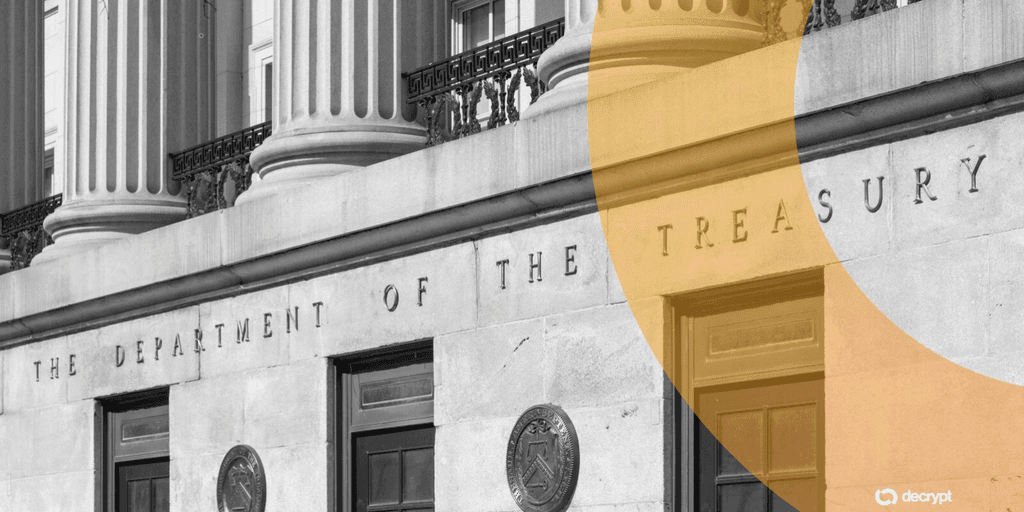
US Treasury Sanctions Sinaloa Cartel: A Crypto Response
The recent action taken by the US Treasury to sanction members of the Sinaloa Cartel highlights an increasingly serious intersection between organized crime and cryptocurrency. As the digital currency landscape evolves, so do its implications in various domains, including illicit activities. In this piece, we will dissect the ramifications of this sanction on the broader crypto market, particularly in the context of regulatory scrutiny, investor sentiment, and the long-term outlook.
Quick Take
| Aspect | Details |
|---|---|
| Sanctioned Entity | Sinaloa Cartel members |
| Reason for Sanction | Crypto-fueled fentanyl trafficking |
| Impact on Crypto | Increased regulatory scrutiny; potential market volatility |
| Long-term Implications | Shift in investor behavior; potential for stricter regulations |
Market Context
The Sinaloa Cartel has long been recognized as one of the most powerful and notorious drug trafficking organizations in the world. The cartel's integration of cryptocurrency into its operations reflects a troubling trend: the ability of illicit actors to exploit the decentralized finance ecosystem. The US Treasury's sanctions come at a time when cryptocurrencies are under intense scrutiny from regulators worldwide, particularly concerning their use in illegal activities.
Regulatory bodies, such as the Financial Crimes Enforcement Network (FinCEN), have been increasingly focused on tracking the flow of illicit funds through cryptocurrencies. The involvement of a high-profile organization like the Sinaloa Cartel could lead to more stringent measures across the crypto landscape. This could include the enforcement of Know Your Customer (KYC) regulations and enhanced monitoring of transactions, which could raise operational costs for legitimate businesses in the space.
SWOT Analysis
Strengths
- Public Awareness: This sanction raises public and governmental awareness about the potential misuse of cryptocurrencies. It could lead to increased advocacy for regulations that promote the legitimate use of digital currencies.
- Technological Advancements: The incident may push for technological solutions that enhance transparency and traceability in cryptocurrency transactions.
Weaknesses
- Market Volatility: Investors may react negatively to this news, leading to increased market volatility and a potential decrease in crypto asset values.
- Regulatory Scrutiny: The involvement of organized crime in the crypto space could lead to stricter regulations that stifle innovation and growth.
Opportunities
- Enhanced Compliance Solutions: Companies that specialize in compliance and monitoring tools may see increased demand for their services, presenting a lucrative opportunity within the industry.
- Institutional Adoption: As regulatory clarity improves, institutional investors may feel more confident entering the market, potentially leading to a more stabilized crypto ecosystem.
Threats
- Regulatory Backlash: Further sanctions and regulations may lead to a crackdown on crypto-related businesses, potentially resulting in a loss of jobs and investment in the sector.
- Public Perception: Continued media coverage of criminal activities linked to cryptocurrency may foster a negative perception in the public eye, hindering adoption by mainstream users.
Impact on Investors
The sanctions imposed on the Sinaloa Cartel are likely to have immediate and long-term effects on the cryptocurrency investment landscape. In the short term, market reactions could manifest as increased selling pressure, particularly among retail investors who may fear broader regulatory implications. While institutional investors tend to take a more calculated approach, even they might reconsider their strategies in light of heightened regulatory risk.
In the long term, if regulatory frameworks become more robust and transparent, this could lead to a healthier environment for investors. As the market matures, there may be increased opportunities for innovation and secure investing avenues.
Moreover, the demand for compliance-focused projects could create a niche for startups and established companies that prioritize security and transparency in their offerings. Investors who adapt to these changes will likely find new avenues for growth in a market that is under continuous evolution.
Moving Forward
The US Treasury's actions against the Sinaloa Cartel serve as a critical reminder of the challenges that lie ahead for the cryptocurrency industry. While the regulations may increase friction in the short term, they could also pave the way for a more sustainable and reputable crypto market in the long run. Investors should stay informed and proactive, adapting their strategies to navigate this changing landscape while seizing emerging opportunities for growth.
As the global macroeconomic context continues to evolve, tracking the developments in regulation and market sentiment will be crucial for making informed investment decisions in the cryptocurrency ecosystem.