 Go Back


U.S. Voter Sentiment Towards Crypto: Analyzing the Bottom Priority
As the 2026 midterm elections approach, a recent survey conducted by CoinDesk has revealed that cryptocurrency ranks low on the list of priorities for American voters. This finding has significant implications not only for the political landscape but also for the future of cryptocurrencies in the U.S. 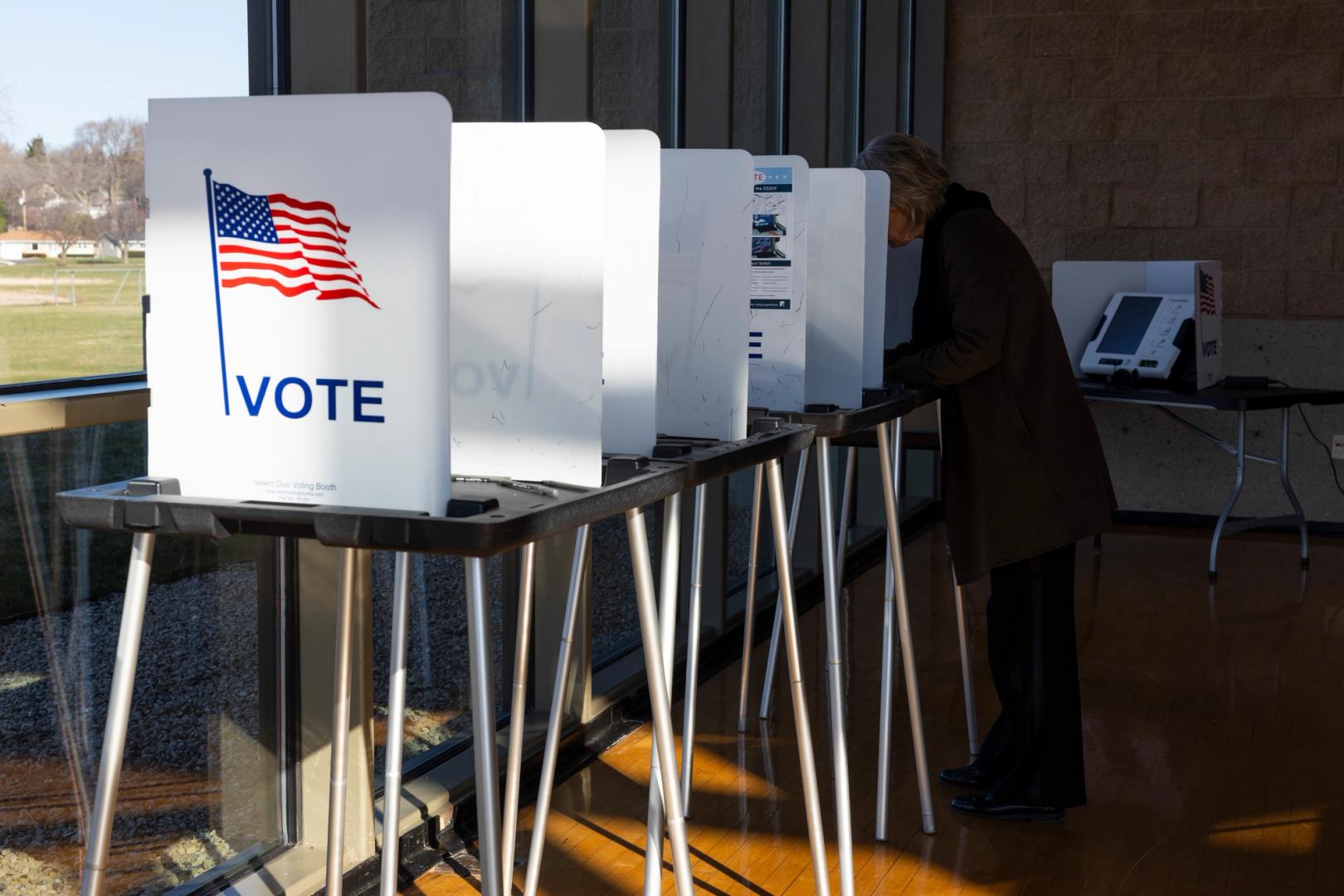
Quick Take
| Key Insight | Details |
|---|---|
| Survey Sample Size | 1,000 registered voters |
| Voter Sentiment on Crypto | Generally unfavorable |
| Potential Impact on Policy | Unlikely to prioritize crypto legislation |
| Long-term Outlook for Crypto | Dependent on changing voter sentiment |
Market Context
The survey indicates that a majority of Americans view cryptocurrencies unfavorably, with concerns about regulation, security, and overall utility influencing this sentiment. Historically, the rise of Bitcoin and other altcoins has been marked by volatility and skepticism, particularly from traditional financial sectors and more conservative voters. The general public's ambivalence towards digital currencies can be traced back to their tumultuous journey, characterized by market booms and busts, alongside high-profile scams and regulatory crackdowns.
Moreover, as economic pressures, such as inflation and job instability, occupy more immediate concerns for voters, cryptocurrencies appear to be pushed to the background. This prioritization reflects a shift in focus from speculative investments towards essential economic needs. In the wake of potential economic downturns, digital assets may be viewed primarily as high-risk investments, further alienating voters who see their financial stability as paramount.
SWOT Analysis
Strengths
- Innovation and Technology: Blockchain technology continues to evolve, offering potential solutions to existing financial problems.
- Decentralization: The appeal of decentralized finance (DeFi) and independence from traditional banking systems.
Weaknesses
- Public Perception: Negative public sentiment creates barriers to wider adoption and understanding.
- Regulatory Uncertainty: Ongoing legal battles and regulatory scrutiny hinder institutional investment and innovation.
Opportunities
- Education and Awareness: Increasing efforts in educating the public could shift perceptions positively.
- Integration with Traditional Finance: Collaborations between crypto firms and traditional banks may enhance legitimacy.
Threats
- Regulatory Crackdowns: Stricter regulations could stifle growth and innovation within the sector.
- Market Volatility: Price fluctuations could deter new investments and erode trust among existing investors.
Impact on Investors
The current sentiment among U.S. voters indicates a challenging road ahead for cryptocurrencies. As political priorities shift towards pressing economic issues, investment in the sector may decline. For investors, this means carefully considering the timing of their investments and remaining informed about potential regulatory changes. If cryptocurrencies are not prioritized in legislative agendas, any progress in the sector could be stunted, impacting long-term growth trajectories.
Furthermore, the perception of cryptocurrencies as a speculative asset might prevent new investors from entering the market. The outcome of these midterm elections could serve as a litmus test for the future of cryptocurrency in the U.S. If candidates do not address digital currencies in their platforms, it could signal a continued lack of institutional support and innovation.
Conclusion
While the current survey results are discouraging for cryptocurrency advocates and investors, they also provide a unique opportunity for education and advocacy. By addressing voter concerns and focusing on issues that resonate with the public, the cryptocurrency sector can work towards reshaping perceptions. As America gears up for the 2026 elections, the future of digital assets could very well hinge on how these conversations evolve in the political arena.