 Go Back


USDT Emerges as Payments Champion, USDC Dominates DeFi Landscape
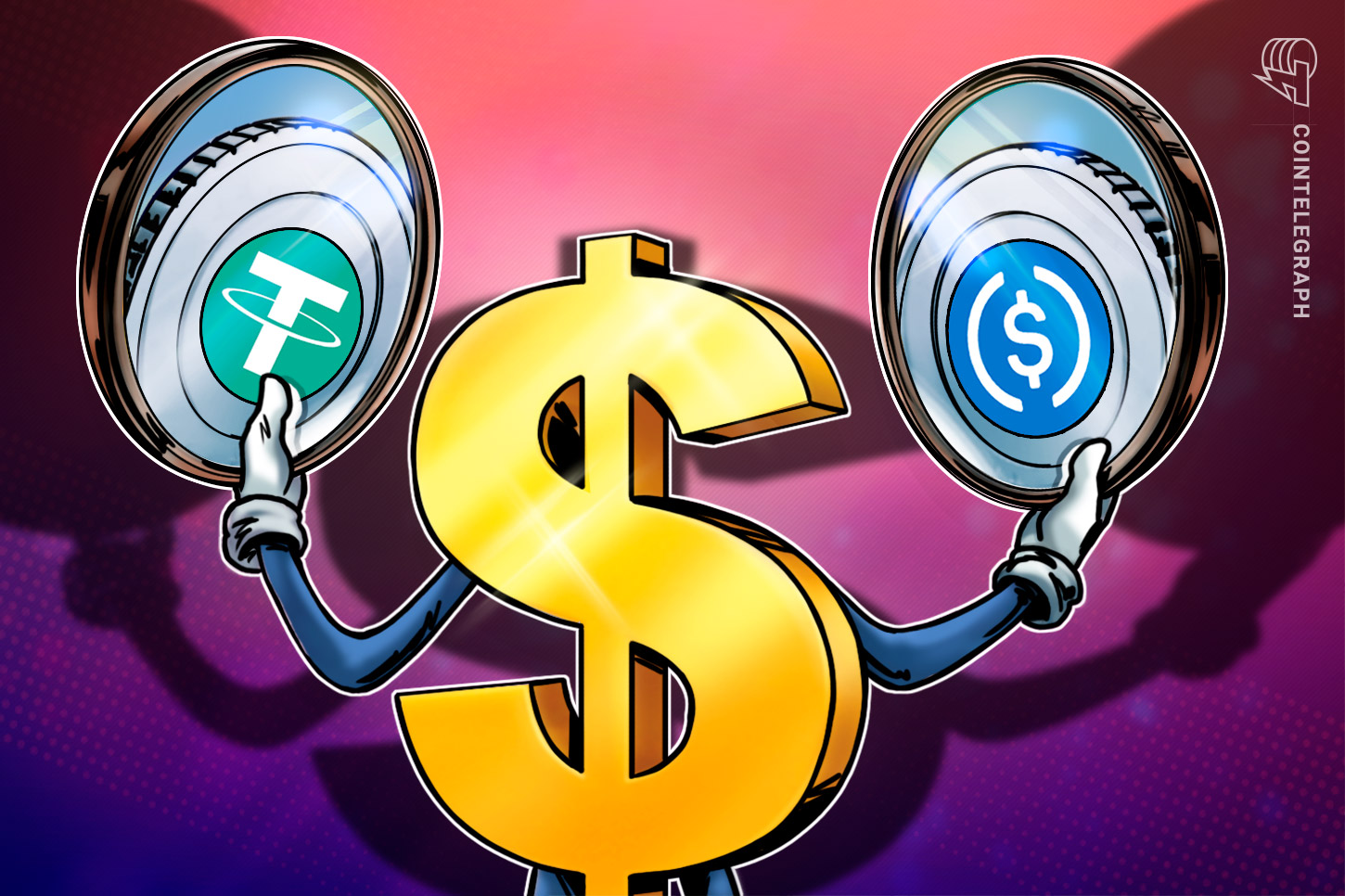
The blockchain ecosystem has witnessed significant shifts in the usage and functionality of stablecoins, particularly Tether's USDT and Circle's USDC. Recent data from Dune Analytics highlights this divergence, revealing that USDT has solidified its position as the leading stablecoin for payments, while USDC has carved out a niche in the DeFi (Decentralized Finance) sector. This blog post explores the implications of these developments in a broader macroeconomic context.
Quick Take
| Stablecoin | Dominance Area | Key Insights |
|---|---|---|
| USDT | Payments | Leading stablecoin for transactions and remittances. |
| USDC | DeFi | Favored for lending, borrowing, and liquidity in DeFi applications. |
What Does the Data Show?
Dune Analytics has provided critical insights into the usage patterns of USDT and USDC within the cryptocurrencies ecosystem. Tether's USDT has become the go-to stablecoin for daily transactions, remittances, and various commercial applications. Conversely, Circle's USDC has emerged as a preferred choice within the DeFi space, primarily focused on lending and liquidity provision.
Why the Divergence?
The divergence between USDT and USDC stems from several factors:
- Utility and Functionality: USDT is optimized for speed and efficiency in transactions, making it suitable for payments. In contrast, USDC is designed for interoperability within DeFi protocols, providing an essential bridge between users and decentralized markets.
- Regulatory Compliance: USDC has taken steps to position itself as a compliant stablecoin with audits and transparency initiatives, appealing to institutional investors and DeFi projects that require trust and legitimacy.
- Market Perception: Tether has historically been viewed with skepticism regarding its reserves, yet its established network and higher liquidity have made it a staple in everyday transactions. On the other hand, USDC's reputation for stability and regulatory compliance makes it attractive for DeFi enthusiasts.
Market Context
As stablecoins continue to evolve, it is essential to examine their roles within the broader macroeconomic landscape. The demand for stablecoins has surged, particularly in the context of increasing inflation and economic uncertainty. Investors and businesses are seeking stable digital assets that can mitigate volatility while still offering the benefits of crypto.
The Rise of Stablecoins
This surge in stablecoin adoption can be attributed to several factors:
- Remittances: USDT’s dominance in payments highlights its utility for cross-border transactions, where traditional banking systems may impose high fees and lengthy processing times.
- DeFi Boom: The rapid growth of decentralized finance has established USDC as an integral player in the lending and borrowing market, with various DeFi applications relying on USDC for collateral.
- Institutional Interest: As institutional players enter the crypto market, the demand for stablecoins like USDC, which offer a higher degree of compliance, is expected to rise significantly.
Impact on Investors
The divergence between USDT and USDC presents distinct opportunities and challenges for investors:
- Investing in USDT: While USDT remains a dominant player for payments, investors should remain cautious due to the ongoing concerns about its reserve backing. High liquidity and transactional efficiency make it suitable for users looking for quick, low-cost transactions.
- Investing in USDC: USDC's appeal in the DeFi ecosystem offers lucrative investment opportunities through yield farming, lending, and other DeFi protocols. However, investors must navigate the complexities of smart contracts and the inherent risks of DeFi platforms.
Future Predictions
Looking ahead, the landscape of stablecoins is poised for further evolution. Several trends are likely to shape the future of USDT and USDC:
- Increased Regulation: As regulatory frameworks around stablecoins tighten, USDC may strengthen its position as the compliant choice, while USDT could face challenges if it does not adapt.
- DeFi Integration: The growing intersection between traditional finance and DeFi could see an increasing number of institutions adopting USDC for their digital asset strategies.
- Emergence of New Competitors: As the stablecoin market expands, new contenders may emerge, challenging the dominance of both USDT and USDC.
Conclusion
The data from Dune Analytics underscores the critical roles that USDT and USDC play in the cryptocurrency landscape—each catering to different needs within the ecosystem. As stablecoins continue to diverge in their functionalities, understanding their individual strengths and weaknesses will be essential for investors and businesses navigating this rapidly changing environment.
Takeaway
Investors should keep a close eye on the developments surrounding USDT and USDC, as their contrasting paths may herald significant changes in the broader cryptocurrency market. With the potential for increased regulation and new competitors, stablecoins will undoubtedly remain a focal point for discussion in the coming years.