 Go Back


Introduction
In a significant move within the decentralized finance (DeFi) landscape, peer-to-peer trading startup Variational has successfully raised $50 million in a funding round led by prominent venture firm Dragonfly. This capital injection will enable Variational to enhance its platform, which initially focuses on perpetual futures linked to real-world assets, including commodities such as oil, silver, copper, and gold.
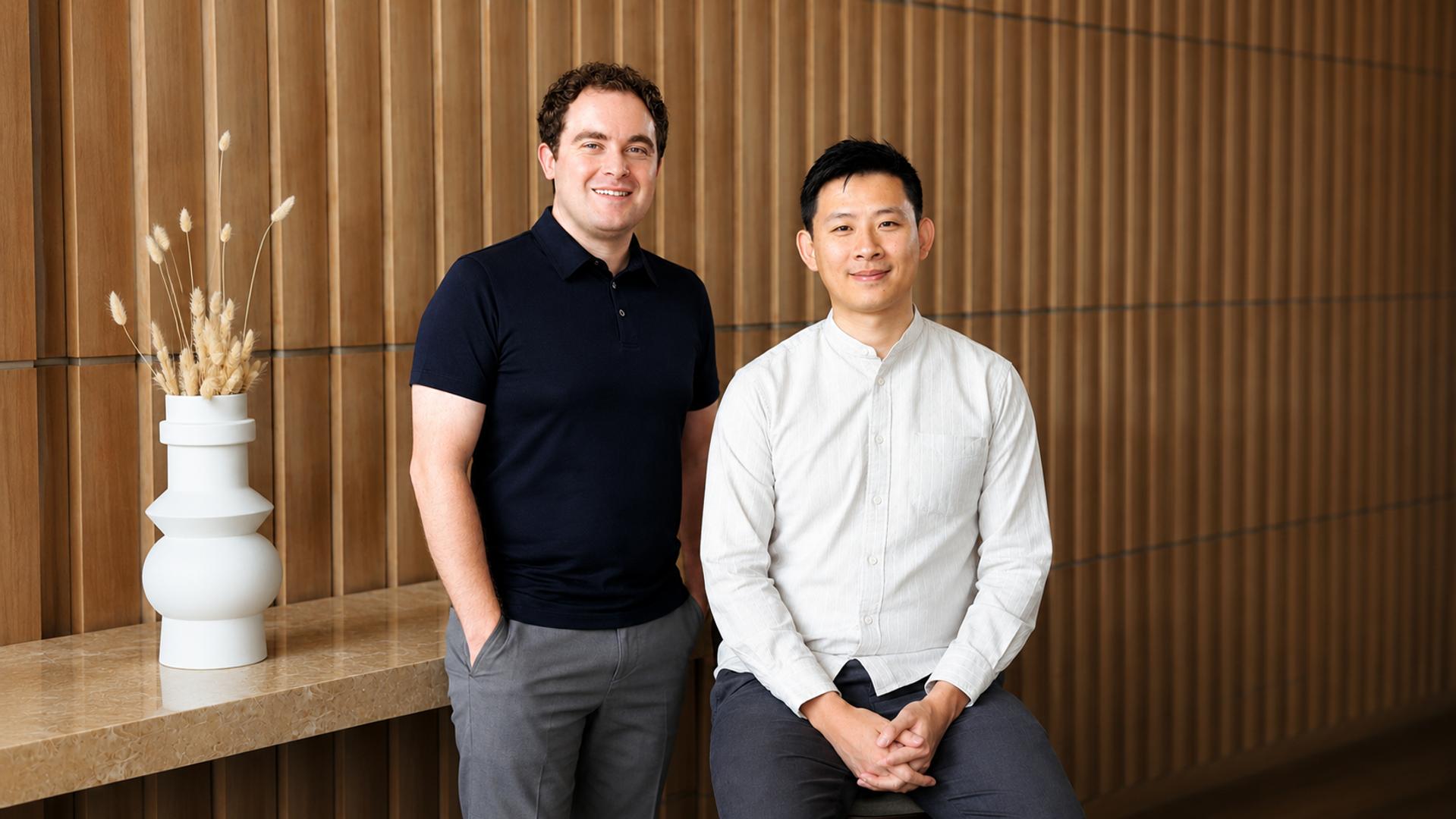
This funding round signals a growing interest in the application of blockchain technology to traditional asset classes, reflecting a broader trend in the integration of real-world assets with digital finance.
Quick Take
| Aspect | Details |
|---|---|
| Funding Raised | $50 million |
| Lead Investor | Dragonfly Capital |
| Focus | Perpetual futures on real-world assets |
| Assets Traded | Oil, silver, copper, gold |
| Market Trend | Growing interest in DeFi and real assets |
The Good
Innovation in Trading
Variational's approach represents a noteworthy innovation in the trading of real-world assets. Perpetual futures allow traders to speculate on the future price of an asset without having to own the underlying asset itself. This feature is particularly attractive for investors seeking exposure to commodities without the logistical complexities of physical ownership.
Democratization of Access
By leveraging blockchain technology, Variational could democratize access to trading commodities, enabling smaller investors to participate in markets that have historically been dominated by larger institutional players. This can lead to a more equitable trading environment where liquidity is more evenly distributed.
Risk Management
The perpetual futures market offers sophisticated hedging opportunities, allowing traders to manage their risk more effectively when dealing with volatile assets like oil and precious metals. This aspect could appeal to institutional investors who wish to mitigate risks in their portfolios.
The Bad
Regulatory Uncertainty
Despite its potential, the integration of real-world assets into the DeFi space is fraught with regulatory challenges. As governments around the world grapple with how to categorize and regulate digital assets, Variational may face hurdles that could impact its operations. Regulatory scrutiny can lead to delays in product launches and potential compliance costs.
Market Volatility
The commodities market is known for its volatility, and while perpetual futures provide opportunities for profit, they also carry significant risk. Investors must be prepared for price swings that can result in substantial losses, especially in turbulent economic environments.
The Ugly
Security Risks
The DeFi space has been marred by security breaches and hacks that have cost investors millions. Variational must prioritize robust security measures to protect user funds and maintain trust in its platform. A single breach could tarnish its reputation and lead to a loss of investor confidence.
Competition
The DeFi landscape is incredibly competitive, with numerous projects vying for market share. Variational will need to differentiate itself and continually innovate to stay ahead of competitors offering similar products. Failure to do so could result in a rapid decline in user interest and investment.
Market Context
The growing interest in DeFi solutions for real-world assets reflects a broader trend towards financial innovation. As traditional finance increasingly recognizes the potential of blockchain, we may see more players entering this space. The intersection of DeFi and real-world assets could redefine trading norms, offering new products that attract both retail and institutional investors.
In the context of the current economic climate, where inflation and uncertainty dominate discussions, commodities often become safe havens. Variational’s focus on these assets aligns neatly with investor interests, particularly in inflationary environments where traditional fiat currencies may wane in value.
Impact on Investors
For investors, the launch of Variational's platform could provide new avenues for diversifying their portfolios. The ability to trade perpetual futures on traditional assets could attract a new demographic of traders who may have previously been reluctant to engage with the complexities of commodity trading.
Moreover, as more traders seek exposure to such innovative financial instruments, demand could drive liquidity, leading to better pricing and lower spreads. However, potential investors should remain cognizant of the inherent risks and the necessity for due diligence.
In summary, Variational’s funding round heralds exciting developments in the DeFi space, particularly for the trading of real-world assets. By balancing the opportunities against the challenges, investors can better equip themselves to navigate this evolving landscape, potentially benefitting from the innovative solutions that platforms like Variational introduce to the market.