 Go Back

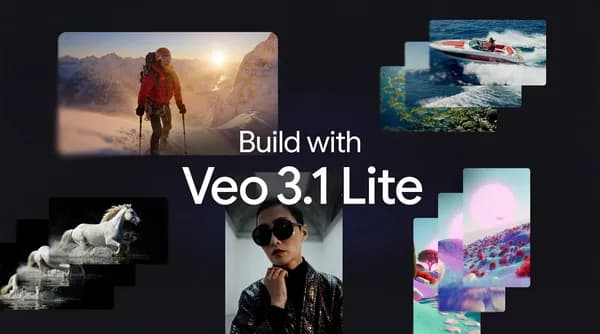
Exploring Veo 3.1 Lite: A Game Changer in Video Generation
In an era where digital content reigns supreme, the launch of Veo 3.1 Lite by Google Research AI marks a significant milestone in video generation technology. Available for paid preview via the Gemini API and testing in Google AI Studio, Veo 3.1 Lite promises to democratize content creation by making advanced video generation accessible to a wider audience. This post dives into the global macroeconomic implications of this development, as well as its potential long-term effects on various sectors.
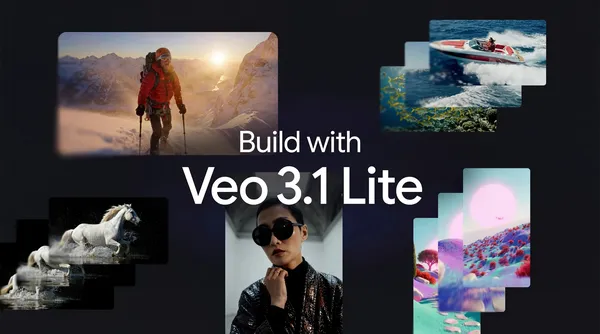
Quick Take
| Feature | Details |
|---|---|
| Model | Veo 3.1 Lite |
| Availability | Paid preview via Gemini API |
| Testing Platform | Google AI Studio |
| Target Audience | Content creators, marketers, and small businesses |
| Potential Applications | Marketing, education, entertainment, and more |
The Rise of AI in Video Generation
The advent of sophisticated AI technologies has led to a transformational shift in how content is created, produced, and consumed. Traditional video production often involves significant time and financial investments. However, AI models like Veo 3.1 Lite are changing the narrative, allowing for rapid video generation at a fraction of the cost. According to Google, this model is designed to be their most cost-effective offering yet, which could make it particularly appealing to small businesses and freelance content creators.
Historical Context
Historically, video production has been a resource-intensive endeavor dominated by established media companies. As digital platforms expanded, the demand for high-quality video content surged, leading to the emergence of various video editing and production software. However, these tools typically require a steep learning curve and substantial financial outlay. The introduction of AI models represents a paradigm shift that could flatten the competitive landscape, enabling smaller players to produce professional-grade content with minimal investment.
Market Context
The launch of Veo 3.1 Lite comes at a time when the global economy is navigating through a period of uncertainty. Many businesses are looking for innovative ways to cut costs while maintaining their market presence. The cost-effective nature of Veo 3.1 Lite can be seen as a strategic response to the economic challenges that companies face today.
- Market Demand for Content: The sheer volume of content required for social media platforms, marketing campaigns, and educational resources has skyrocketed. As brands vie for consumer attention, the ability to produce high-quality video content quickly and affordably will be a competitive advantage.
- Potential for Increased Engagement: Video content tends to generate higher engagement rates compared to text and images. By enabling more organizations to produce videos, Veo 3.1 Lite may lead to an increase in viewer interaction and brand loyalty.
- Impact on Employment: While the rise of AI in video generation opens new avenues for content creators, it also poses questions regarding job displacement. As tools become more automated, the roles of traditional video editors and producers may evolve or diminish, leading to potential shifts in employment dynamics within the creative sector.
Impact on Investors
The implications of Veo 3.1 Lite extend beyond immediate user applications; they also influence investor sentiment and market strategies. Investors focusing on AI and technology sectors should consider the following points:
- Innovation and Adoption: As AI-generated content gains traction, companies that integrate these technologies into their operations may find themselves at a competitive advantage. This potential for increased efficiency and scalability can make such companies attractive targets for investment.
- Regulatory Landscape: With advancements in AI, regulatory scrutiny may increase as governments seek to address ethical concerns related to content authenticity and copyright. Companies that can navigate these regulations effectively are likely to attract more investment.
- Market Expansion: The demand for AI technologies is expected to grow, driven by increasing acceptance in various sectors such as education, marketing, and entertainment. Investors should keep a sharp eye on companies that can capitalize on this trend to capture market share.
Future Predictions
The future of video generation seems bright with the introduction of models like Veo 3.1 Lite. As technology continues to evolve, we can expect to see:
- Enhanced Customization: Future iterations of AI models will likely offer even more personalized content creation experiences, enabling brands to tailor videos specifically to their target audiences.
- Integration with Other Technologies: The fusion of AI video generation with augmented reality and virtual reality could redefine how content is consumed, opening new realms for storytelling and engagement.
- Collaborative Platforms: As more users adopt AI technologies, we may see an emergence of collaborative platforms that allow creators to co-produce and share AI-generated videos, further democratizing the content creation process.
Overall, Veo 3.1 Lite stands as a testament to the potential of AI to innovate and disrupt traditional industries. Its implications are manifold, not only for content creators but also for the broader economic landscape, making it a development worth watching closely.