 Go Back

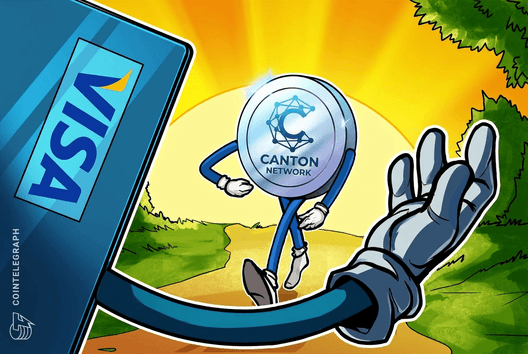
Visa Explores Private Stablecoin Settlement with Brale and Canton
In a notable move towards enhancing blockchain privacy for institutional financial transactions, Visa is currently testing private stablecoin settlements utilizing the Canton network in collaboration with Brale. This initiative reflects a broader trend among financial institutions seeking to leverage blockchain technology while safeguarding sensitive transaction data.

Quick Take
| Aspect | Details |
|---|---|
| Testing Entity | Visa |
| Technological Partner | Brale |
| Blockchain Network | Canton |
| Focus | Private stablecoin settlements and data privacy |
| Industry Impact | Enhanced institutional adoption of blockchain technology |
Market Context
This development arrives amid a rising demand for privacy-oriented financial solutions in the cryptocurrency market. As digital assets become more ingrained in mainstream finance, traditional institutions are grappling with how to adopt these technologies without sacrificing customer privacy or regulatory compliance. The use of stablecoins—cryptocurrencies pegged to stable assets like fiat currency—has surged due to their potential to facilitate fast and secure transactions without the volatility associated with more traditional cryptocurrencies like Bitcoin or Ethereum.
The Canton network uniquely positions itself as a blockchain solution that prioritizes data privacy and confidentiality. By enabling private transactions, it allows users to engage without revealing sensitive information, addressing key concerns that have hindered wider adoption of blockchain technology in regulated financial environments.
SWOT Analysis
Strengths
- Institutional Trust: Visa's established reputation in the financial services industry provides a level of trust for potential users of the stablecoin system.
- Technology Partnership: Collaborating with Brale, who brings specialized expertise in private blockchain solutions, enhances the project’s credibility and technological feasibility.
- Privacy Features: The Canton network's focus on privacy ensures that sensitive transaction data remains confidential, which is a critical requirement for many financial institutions.
Weaknesses
- Technical Complexity: Implementing stablecoin solutions requires overcoming various technical challenges, including interoperability with existing financial systems.
- Regulatory Hurdles: The stablecoin space is still largely unregulated, and institutions may face challenges navigating the legal landscape as they adopt new technologies.
Opportunities
- Growing Demand for Privacy: With increasing concerns over data security and privacy, there is significant market potential for solutions that prioritize confidentiality in transactions.
- Increased Adoption: If successful, Visa's project could pave the way for broader adoption of blockchain technologies within the financial sector, attracting more institutions to explore these innovative solutions.
Threats
- Competitive Landscape: Numerous players in the financial technology space are also exploring blockchain solutions, making competition fierce.
- Market Volatility: The stablecoin market itself can be unpredictable, which may deter some institutions from fully committing to these new systems.
Impact on Investors
Visa's experimentation with private stablecoin settlement signifies a pivotal shift in how traditional financial institutions view blockchain technology. For investors, this development could lead to increased confidence in the long-term viability of cryptocurrencies, particularly stablecoins, as they become integrated into mainstream financial systems.
Investors should keep an eye on the outcomes of Visa's testing. If successful, it could lead to a new wave of institutional investment in cryptocurrencies, as companies may feel more secure in utilizing blockchain technology for private transactions. Furthermore, this move could bolster the regulatory landscape, prompting other institutions to follow suit, which could stabilize and mature the market.
In essence, the integration of private stablecoins into traditional finance could serve as a springboard for broader adoption of blockchain innovations, potentially leading to a more robust and resilient financial ecosystem. Investors willing to navigate the complexities of this evolving landscape might find lucrative opportunities as the market matures.
As Visa continues its testing phase, industry participants, regulators, and investors alike will be closely monitoring developments. The outcomes could have far-reaching implications for the future of cryptocurrency transactions, especially within institutional settings.