 Go Back

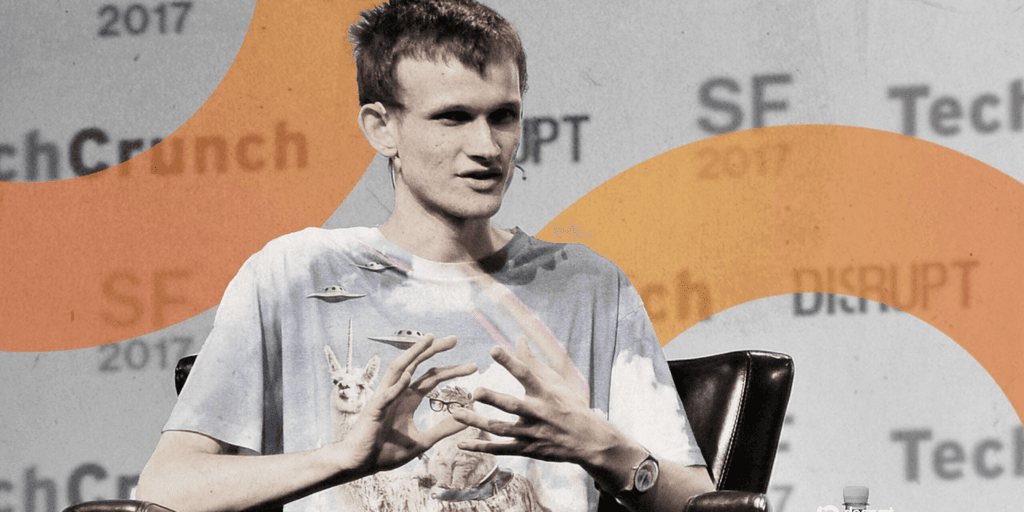
Vitalik Buterin Advocates Simplicity in Ethereum Node Operation
Ethereum's co-founder, Vitalik Buterin, recently emphasized the need for a more accessible way to run network nodes, drawing attention to the innovative work of the Nimbus team and their unified client. This shift is not just a technical upgrade; it's a pivotal moment that could redefine how users interact with the Ethereum blockchain.
Quick Take
| Aspect | Details |
|---|---|
| Proposed Change | Simplified node operation through unified client |
| Key Advocate | Vitalik Buterin, Ethereum co-founder |
| Objective | Increase user accessibility and participation |
| Developer Team | Nimbus |
The Current State of Ethereum Nodes
Running an Ethereum node has traditionally been a complex task, often likened to rocket science. It requires technical expertise, significant computational power, and a commitment to staying updated with frequent software changes. However, operating a node is crucial for the network's decentralization and security. Nodes validate transactions and blocks, ensuring the integrity of the blockchain.
Challenges in Node Operation
- Technical Complexity: Many potential users are deterred by the technical knowledge required to set up and maintain a node.
- Resource Intensive: Running a full node demands considerable computing resources and storage space, making it less appealing for average users.
- Frequent Updates: The Ethereum network undergoes regular upgrades, requiring node operators to stay informed and make adjustments frequently.
Market Context
The push for a simpler node operation comes at a critical juncture for Ethereum. As the network transitions to Ethereum 2.0 and implements Proof of Stake (PoS), there is an urgent need to enhance user participation in securing the network. Vitalik's call for simplification aligns with broader trends in the crypto space, where accessibility is becoming increasingly paramount.
Broader Industry Trends
- DeFi Expansion: As decentralized finance (DeFi) grows, more users are seeking ways to engage with blockchain networks. Simplifying node operation could democratize access to these tools.
- Institutional Adoption: Increased interest from institutional investors requires robust infrastructures that can handle scale without alienating less technical users.
- User Experience Focus: Many crypto projects are now prioritizing user experience, recognizing that the next wave of adoption hinges on ease of access.
Impact on Investors
Investors should take note of this shift in node operation dynamics. A more accessible Ethereum network could lead to:
- Increased Participation: As more users can run nodes, network decentralization could improve, reducing risks associated with centralization.
- Market Stability: A stronger, more decentralized network could lead to increased investor confidence, potentially stabilizing the market.
- Innovation in Services: Easier node operation could pave the way for new services and applications, attracting more investment into the Ethereum ecosystem.
Future Predictions
The evolution of node operation within Ethereum could spark significant changes in how users interact with blockchain technology. If the Nimbus team's unified client achieves wide adoption, we may see:
- A Surge in Node Operators: More individuals running nodes will enhance the network’s robustness and reliability.
- Diverse Applications: New applications and services could emerge, utilizing the enhanced accessibility of node running.
- Community Growth: A more diverse user base can lead to a vibrant community that contributes to Ethereum’s ongoing development and governance.
Conclusion
Vitalik Buterin's advocacy for a simpler approach to running Ethereum nodes represents a pivotal moment in the blockchain's approach to user accessibility and decentralization. The success of the Nimbus team's unified client may well determine the future landscape of Ethereum, inviting a broader spectrum of users into the network while enhancing its decentralization and security. As the crypto landscape continues to evolve, this focus on simplification will likely become a cornerstone of any successful blockchain initiative.
Tags
- Ethereum
- Vitalik Buterin
- Blockchain
- Node Operation
- Crypto Adoption