 Go Back


Quick Take
| Key Point | Details |
|---|---|
| New Initiative | Collaboration between Wall Street and Big Tech |
| Goal | Develop a stablecoin to compete with Circle |
| Market Implications | Potential disruption in the stablecoin space |
| Long-Term Vision | Integration of traditional finance with crypto |
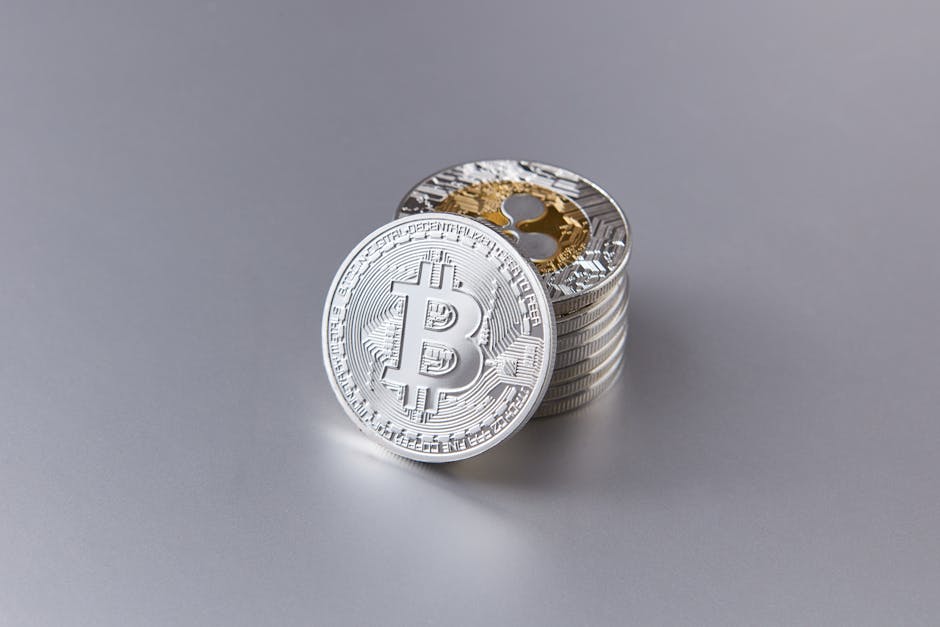
In a significant development within the cryptocurrency sector, Wall Street giants and major technology firms are uniting to create a new stablecoin that aims to rival Circle’s USDC. This collaborative effort signifies not just a strong endorsement of stablecoins, but also a strategic move to integrate significant aspects of traditional finance with the burgeoning crypto economy.
Market Context
Stablecoins have become an integral part of the digital currency landscape, serving as a bridge between traditional finance and the crypto world. As digital assets gain traction, the demand for stable, reliable, and liquid cryptocurrencies has surged. The stablecoin market is currently led by Circle's USDC and Tether's USDT, both of which have established robust ecosystems around their currencies. However, many see potential for innovation and disruption, especially with the backing of financial stalwarts and tech behemoths.
The Driving Forces Behind the Initiative
- Market Need: Users and businesses alike are increasingly seeking stablecoins that offer more transparency, lower fees, and enhanced regulatory compliance. A new player could address these concerns.
- Regulatory Landscape: Governments and financial authorities are paying closer attention to stablecoins due to concerns about potential market risks. A regulated stablecoin, backed by trusted financial institutions, could gain acceptance more readily.
- Technological Advancements: The backing of technology firms suggests that this new stablecoin may incorporate advanced blockchain technologies and improved user interfaces that enhance usability and security.
Impact on Investors
The introduction of a Wall Street and Big Tech-backed stablecoin could have profound implications for both retail and institutional investors.
- Increased Trust: With financial giants involved, investors may feel more confident in using this new stablecoin, leading to wider adoption. This could also enhance the overall stability of the crypto market.
- Market Dynamics: The competitive landscape will shift, potentially leading to lower fees and better services as existing players like Circle and Tether may need to innovate to retain their market share.
- Volatility Reduction: As more substantial participants enter the stablecoin arena, the market could experience reduced volatility, making these coins more attractive as a safe haven during turbulent market conditions.
- Long-Term Asset Consideration: Investors might start viewing stablecoins not just as mediums of exchange but as long-term assets, especially if they are integrated into broader financial products and services.
Future Predictions
While the details of the new stablecoin initiative are still emerging, several long-term trends can be anticipated:
- Evolution of Regulation: As stablecoins become a crucial part of the financial infrastructure, we may see more comprehensive regulation that clarifies their use and ensures consumer protection.
- Integration of Traditional and Digital Assets: This initiative could pave the way for hybrid financial products that combine traditional finance with blockchain technology, potentially transforming how we perceive money and value transfer.
- Greater Institutional Adoption: If successful, this stablecoin could lead to more widespread adoption among institutional investors, which may amplify its use in various financial transactions and contribute to the maturation of the crypto space.
Conclusion
The partnership between Wall Street and Big Tech to launch a new stablecoin is more than just a competitive strategy; it is indicative of a broader trend towards the convergence of traditional finance and cryptocurrency. As the initiative develops, it will be vital for investors to stay informed about its implications, the changing dynamics of the stablecoin market, and the potential regulatory landscape that could evolve alongside it. This could genuinely redefine the future of digital currencies and their role in the global economy.
Tags: [Stablecoin, Wall Street, Big Tech, Cryptocurrency, USDC, Regulation, Digital Assets]