 Go Back


Wall Street's Strategic Shift into Crypto: A Long-Term Perspective
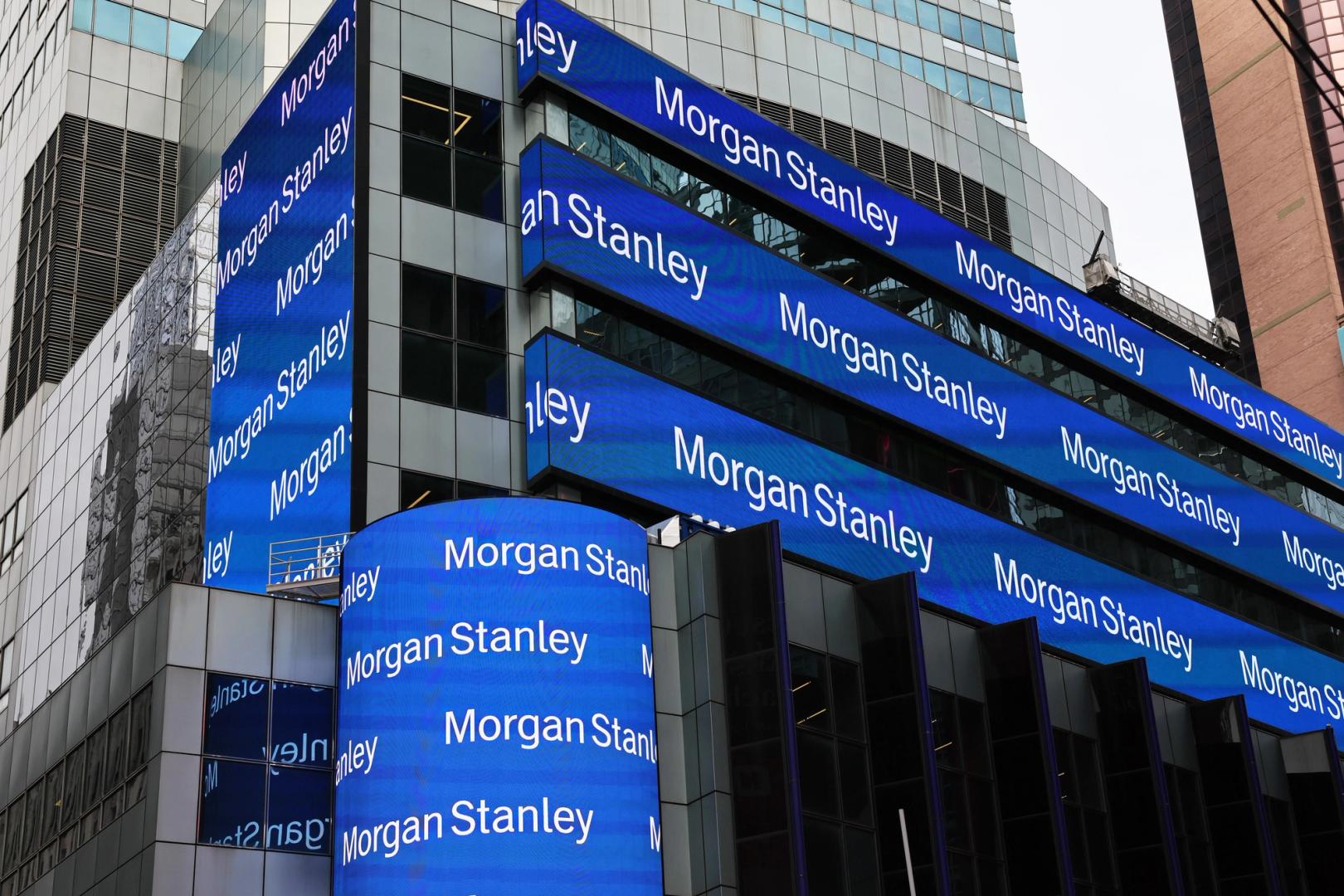
In a recent statement from Morgan Stanley, Amy Oldenburg shed light on a significant trend in the financial sector: banks are expanding their footprint in the cryptocurrency space not due to fleeting excitement, but driven by extensive groundwork laid over several years. This insight represents a pivotal moment in the evolving relationship between traditional finance and the burgeoning crypto industry.
Quick Take
| Aspect | Details |
|---|---|
| Key Player | Morgan Stanley |
| Main Insight | Crypto push is backed by infrastructure, not hype |
| Strategic Focus | Long-term investment and integration |
| Market Readiness | Years of development behind the scenes |
| Future Implications | Increased mainstream adoption and innovation |
The Background of Wall Street's Crypto Push
Historically, the relationship between Wall Street and cryptocurrencies has been fraught with skepticism. Initially viewed as speculative assets with limited utility, cryptocurrencies have gradually earned a place within the mainstream financial dialogue.
While the meteoric rise of Bitcoin and the subsequent boom of alternative coins drew considerable attention, many financial institutions remained cautious, preferring to observe from the periphery. However, over the last few years, significant investments have been made into the underlying infrastructure of the cryptocurrency market. According to Oldenburg, this long-term commitment is now bearing fruit as banks position themselves to engage with this new asset class effectively.
Market Context
The groundwork referred to by Morgan Stanley can be traced back to several transformative developments in both technology and regulatory frameworks.
Technological Advancements
- Blockchain Innovation: The underlying technology of cryptocurrencies has matured significantly. Solutions that enhance scalability, security, and transaction speed are rapidly being developed.
- Custodial Solutions: Establishing secure storage for digital assets has been a major hurdle. Firms like Fidelity and Coinbase have begun to offer custodial services tailored to institutional investors, enabling banks to feel more comfortable engaging with crypto.
- Smart Contracts: The rise of decentralized finance (DeFi) has showcased the versatility of blockchain technology, driving interest among institutional players eager to explore new financial products and services.
Regulatory Landscape
The regulatory environment for cryptocurrencies is also evolving. Regulatory clarity is becoming more prevalent as various governing bodies explore frameworks for digital asset management. This evolving regulatory landscape provides a safety net for banks, reducing the perceived risks associated with entering the crypto market. For instance:
- The SEC and CFTC are working towards clearer guidelines, which could encourage banks to offer crypto-related services confidently.
- International bodies are also collaborating on standards, which could lead to more cohesive global regulations.
Impact on Investors
The strategic pivot of Wall Street towards cryptocurrencies has far-reaching implications for both retail and institutional investors.
Increased Credibility
As major banks like Morgan Stanley dive into the crypto waters, the asset class's credibility is bolstered.
- Mainstream Acceptance: The more traditional finance accepts cryptocurrencies, the more retail investors will feel comfortable investing.
- Investment Products: Expect a surge in crypto-based investment products, such as ETFs and mutual funds, as banks develop offerings to meet demand.
Diverse Opportunities
With banks innovating and creating more products, investors will see diversified opportunities:
- Staking and Yield Farming: More banks may offer services that allow investors to earn returns on their crypto holdings.
- Tokenization of Assets: Traditional assets, like real estate or art, are increasingly being tokenized, creating hybrid investment opportunities.
Future Predictions
Looking ahead, the fusion of traditional finance with cryptocurrencies could reshape the financial landscape substantially.
- Integration with Traditional Banking: As banks integrate crypto services, the lines between traditional and digital finance may blur, leading to a more unified financial ecosystem.
- Innovative Financial Products: The development of new financial products that leverage both traditional assets and cryptocurrencies can create unique investment opportunities.
- Global Financial Inclusion: The accessibility of digital currencies could enhance financial inclusion, offering unbanked populations easier access to financial services.
Conclusion
Morgan Stanley's insights into Wall Street's gradual embrace of cryptocurrency highlight a turning point in finance. As banks move past the initial hype to a more structured approach grounded in years of development, the implications for investors are promising. This strategic shift not only enhances the credibility of the cryptocurrency market but also opens up a myriad of investment opportunities that were previously unimaginable.
Understanding this transition is crucial for anyone involved in the financial markets, as it indicates where the industry is headed in the long term.