 Go Back

Navigating the Crypto Landscape: Warren's Inquiry into OCC Trust Charters
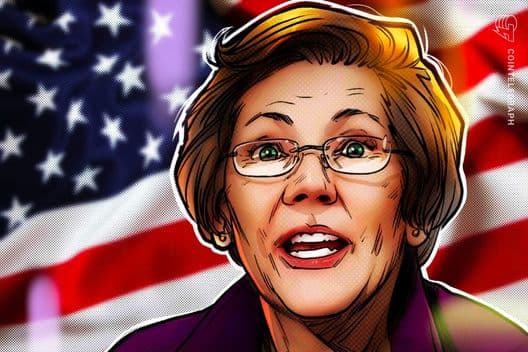
In a significant move, Senator Elizabeth Warren of Massachusetts has directed the U.S. Comptroller of the Currency (OCC) to disclose all communications with former President Donald Trump concerning the approval of certain crypto trust charters. This inquiry raises questions about the regulatory integrity surrounding cryptocurrency and the broader implications for the financial ecosystem.

Quick Take
| Topic | Details |
|---|---|
| Who | Senator Elizabeth Warren |
| What | Inquiry into OCC’s approval process for crypto trust charters related to Trump |
| Why | Concerns over potential ineligibility and regulatory transparency |
| Impact | Possible implications for crypto regulation and investor confidence |
| Future Outlook | Potential shifts in regulatory stance impacting DeFi protocols and ecosystem development |
Market Context
The cryptocurrency sector is currently under scrutiny from various regulatory bodies worldwide, particularly in the United States. The OCC, which is responsible for regulating and supervising national banks and federal savings associations, has a crucial role in shaping the framework within which cryptocurrency operates. Senator Warren's request for transparency highlights the ongoing tension between regulatory oversight and the burgeoning crypto market.
Historically, the SEC and the OCC have faced challenges in crafting regulations that adequately address the rapid evolution of decentralized finance (DeFi) and cryptocurrencies. The approval of trust charters is a pivotal aspect of this regulatory landscape, as it can dictate how institutions engage with digital assets. The inquiry raises essential questions about the motivations behind specific approvals and whether they align with the public interest or serve political agendas.
SWOT Analysis
Strengths
- Regulatory Clarity: Increased scrutiny can lead to clearer guidelines for cryptocurrency operations, creating a more stable environment for investors and institutions.
- Political Awareness: High-profile inquiries can elevate public awareness regarding the need for robust regulation in the crypto space.
Weaknesses
- Trust Deficit: The inquiry can exacerbate existing concerns over regulatory bias and integrity, potentially leading to decreased trust in the OCC and its decisions.
- Market Volatility: Uncertainty surrounding regulatory changes can induce volatility in cryptocurrency prices, affecting investors and traders.
Opportunities
- Enhanced Compliance: A focus on regulatory compliance may encourage more institutional adoption of cryptocurrencies, fostering growth in the sector.
- Innovative Regulations: The situation may prompt the OCC and other regulatory bodies to develop innovative frameworks that better accommodate the unique characteristics of cryptocurrencies and DeFi.
Threats
- Regulatory Overreach: Excessive regulation stemming from political pressures could stifle innovation and deter investment in the crypto landscape.
- Market Manipulation Risks: Lack of transparency in regulatory processes can raise risks of manipulation and unfair practices within the crypto markets.
Impact on Investors
The implications of Senator Warren's inquiry extend beyond bureaucratic processes; they directly affect investor confidence and market stability. When regulatory bodies are perceived as politicized, it can lead to skepticism among current and potential investors. This skepticism may result in reduced participation in the market, impacting liquidity and price stability.
Furthermore, if the inquiry results in stricter regulations or the revocation of charters previously granted, it may lead to significant market adjustments. Investors must remain vigilant, monitoring news related to regulatory developments and their potential impact on their portfolios. Long-term investors might be more resilient to these fluctuations as they focus on the broader growth potential of the cryptocurrency space.
Future Outlook
As the regulatory environment continues to evolve, the crypto community must adapt to these changes. Senator Warren's inquiry could serve as a catalyst for more comprehensive regulations in the future. This potential shift may foster an environment where institutions engage more robustly with digital assets, as clearer guidelines emerge from ongoing regulatory dialogues.
Moreover, the call for transparency may encourage other lawmakers to scrutinize the relationship between politics and the financial sector, prompting a broader reevaluation of how cryptocurrencies are regulated. As these developments unfold, investors in the crypto space should remain informed and prepared for a landscape that is likely to become more structured, albeit complex, in the coming years.
In summary, while the scrutiny faced by the OCC highlights important regulatory challenges, it also opens doors for potential growth and innovation in the cryptocurrency ecosystem. The key for investors will be to navigate these changes with an eye on long-term trends and the evolving regulatory landscape.