 Go Back

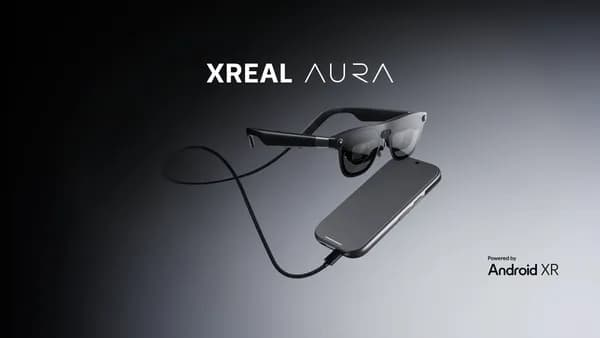
Exploring XREAL AURA: The Future of Tethered XR Glasses
As technology continues to advance at an unprecedented pace, the introduction of tethered XR glasses like the XREAL AURA marks a significant milestone in the realm of augmented reality (AR) and extended reality (XR). With reservations now open, this product developed in collaboration with Google for Android XR is poised to reshape how users interact with digital content. 
Quick Take
| Feature | Details |
|---|---|
| Product Name | XREAL AURA |
| Type | Tethered XR Glasses |
| Collaboration | |
| Target Platform | Android XR |
| Market Impact | Potential for AR expansion |
| Investor Interest | High due to XR's growth potential |
Market Context
The XR market has garnered significant attention in recent years, driven by advancements in technology and a growing demand for immersive experiences. The tethered XR glasses market, in particular, is experiencing a renaissance as more companies explore applications across various sectors—including gaming, education, healthcare, and remote work.
In terms of market size, the global AR and VR market is projected to reach $1 trillion by 2030, with a considerable portion attributed to tethered devices. This growth is fueled by improvements in hardware capabilities, connectivity, and software ecosystems that support seamless integration between the digital and physical worlds. The collaboration between XREAL and Google signifies a strong commitment to innovation in this space, enhancing the user experience through high-quality graphics and smooth performance.
SWOT Analysis
Strengths
- Established Collaboration: The partnership between XREAL and Google ensures that the AURA glasses leverage Google’s robust software ecosystem, potentially leading to enhanced user experiences and functionalities.
- Advanced Technology: With the backing of Google, the hardware specifications of the XREAL AURA are likely to meet high performance standards, attracting tech enthusiasts and professionals alike.
- Market Timing: As businesses increasingly seek digital solutions, the timing of the AURA's launch could align perfectly with rising demand for XR applications.
Weaknesses
- High Entry Costs: Tethered devices often require substantial hardware investments, which could deter potential users compared to more accessible smartphone-based AR solutions.
- Niche Market: While there is buzz around XR technology, the actual user base remains relatively niche, potentially limiting the product's initial market reach.
Opportunities
- Expanding Use Cases: Industries like healthcare and education are ripe for AR disruption, which could significantly broaden the potential customer base for the AURA glasses.
- Remote Work Revolution: As remote work continues to evolve, XR could offer innovative solutions for collaboration and virtual meetings, creating additional demand for tethered devices.
Threats
- Competition: The XR space is rapidly becoming crowded, with numerous players vying for market share. Companies like Meta and Apple are investing heavily in their own AR and VR technologies, which could pose significant competition.
- Technological Challenges: The integration of hardware and software in XR experiences is complex. Any missteps in execution could lead to subpar user experiences, impacting brand perception.
Impact on Investors
Investors should pay close attention to the launch of the XREAL AURA, as it represents not just a product release, but a potential shift in the XR landscape. The collaboration with Google adds a layer of credibility and increases the likelihood of success. Here are several points to consider:
- Investment in XR Technology: The ongoing investments in XR technology from major players indicate a belief in its long-term viability. With XREAL AURA, investors might find themselves supporting a product that aligns with broader trends in digital engagement.
- Market Disruption: If the AURA successfully penetrates its target markets, it could disrupt traditional ways of interacting with digital content, offering significant returns on investment.
- Potential Partnerships: As the product gains traction, XREAL may form strategic partnerships across various sectors, enhancing its market position and appeal to a broader audience.
In conclusion, the launch of the XREAL AURA marks a pivotal moment in the evolution of XR technology. Its collaboration with Google signifies a promising venture into a space that is on the verge of significant growth, making it a key development to watch for investors and technology enthusiasts alike.
Future Outlook
Looking ahead, the success of the XREAL AURA will depend on user adoption and the ability to deliver seamless, engaging experiences. As the XR ecosystem continues to mature, understanding its implications for businesses and consumers will be essential. The potential for innovation within this space is vast, paving the way for new applications and experiences that could redefine how we interact with technology. As the saying goes, the future is now, and with products like the XREAL AURA, we are just beginning to scratch the surface of what’s possible.