 Go Back


Quick Take
| Aspect | XRP ETFs | HYPE ETFs |
|---|---|---|
| Asset Focus | XRP | Various Altcoins |
| Market Sentiment | Increasingly positive | High volatility |
| Regulatory Clarity | Gaining traction | Uncertain |
| Investment Horizon | Long-term potential | Short-term speculation |
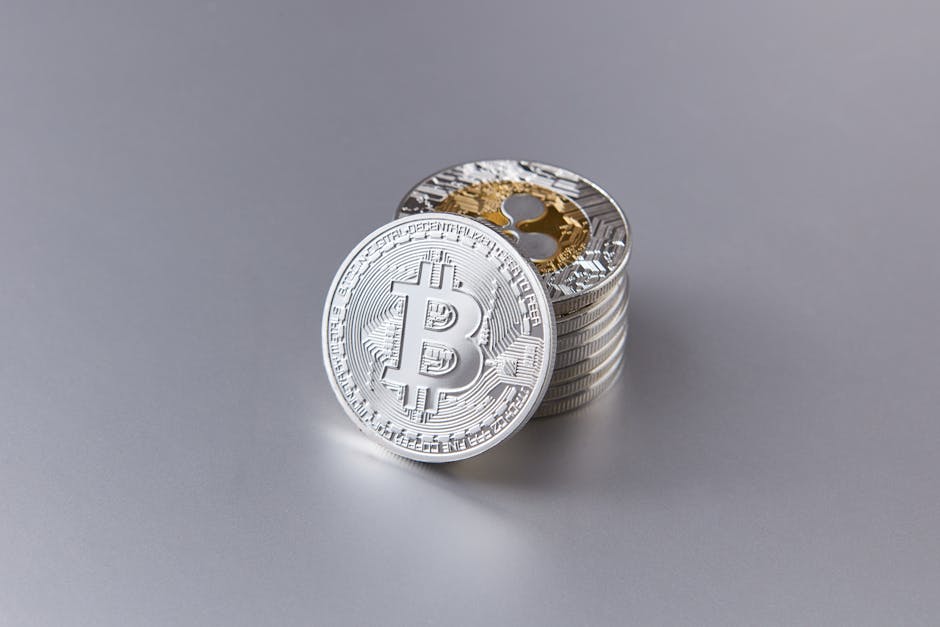
The cryptocurrency market has seen an influx of investment vehicles, particularly exchange-traded funds (ETFs), that cater to a variety of investor preferences. Two notable categories emerging in this landscape are XRP ETFs and what some are dubbing HYPE ETFs, each appealing to different segments of crypto enthusiasts. This analysis delves into the characteristics of these ETFs, their market context, and their implications for investors.
Market Context
The global macroeconomic environment is currently marked by high inflation rates, fluctuating interest rates, and regulatory scrutiny on cryptocurrencies. These factors influence investor sentiment and decision-making within the crypto space.
Regulatory Landscape: Recent movements towards clearer regulations in the crypto sector have positively impacted specific cryptocurrencies, notably XRP, which has been on the receiving end of favorable legal outcomes against the SEC. This backdrop boosts confidence in XRP ETFs, which are now capturing the attention of institutional and retail investors alike.
Market Sentiment: With the broader market experiencing significant volatility, many investors are shifting their focus from speculative assets to those with more stable backing and regulatory assurance. XRP, with its recent legal victories, is positioned as a more secure investment compared to many other altcoins, particularly those associated with HYPE ETFs.
HYPE ETFs Defined: HYPE ETFs are those that invest in a wide range of altcoins, often based on their trending potential rather than fundamental value or regulatory clarity. This approach capitalizes on short-term market enthusiasm but is inherently riskier due to the unpredictable nature of altcoin movements.
Impact on Investors
When it comes to choosing between XRP ETFs and HYPE ETFs, investors should consider several factors that may influence their portfolio strategy:
Risk Tolerance:
- XRP ETFs are likely to appeal to risk-averse investors looking for long-term growth with a relatively stable asset class.
- HYPE ETFs attract those with a higher risk appetite who are willing to gamble on the potential for quick gains.
Investment Goals:
- For those prioritizing security and regulatory compliance, XRP ETFs present a more compelling option, especially as the market matures.
- Conversely, investors aiming to maximize short-term returns might find HYPE ETFs attractive, despite their associated risks.
Market Timing:
- The current bullish trend surrounding XRP, bolstered by positive regulatory news and adoption by financial institutions, suggests that now might be an opportune time for investors considering XRP ETFs.
- HYPE ETFs, while potentially lucrative, depend heavily on the timing of market sentiment, which can shift rapidly, leading to significant volatility.
Conclusion
The choice between XRP ETFs and HYPE ETFs is not merely a matter of preference; it is a reflection of an investor’s risk profile and market outlook. XRP ETFs, benefiting from increasing regulatory clarity and a more stable asset foundation, have the potential to be a safer investment in a tumultuous economic landscape. On the other hand, HYPE ETFs may offer enticing short-term profits, albeit with a high degree of uncertainty.
As the crypto market continues to mature, keeping a pulse on regulatory developments and market trends will be crucial in making informed investment decisions. Investors should weigh their options carefully, considering both the current market dynamics and their long-term financial goals.
Final Thoughts
With the rise of both XRP and HYPE ETFs, the crypto investment landscape is evolving. Savvy investors will need to stay informed and adaptable in order to navigate this fast-paced environment effectively. The ultimate choice will reflect not only individual investment strategies but also broader market trends that could redefine the future of cryptocurrency investments.