 Go Back


The Future of XRP: Will Ripple Reach $2 by 2026?
XRP, the cryptocurrency associated with Ripple, has been a focal point of conversation in the crypto community, especially regarding its price trajectory. With its current market position and the evolving regulatory landscape, many investors are asking: Will XRP hit $2 again by 2026?
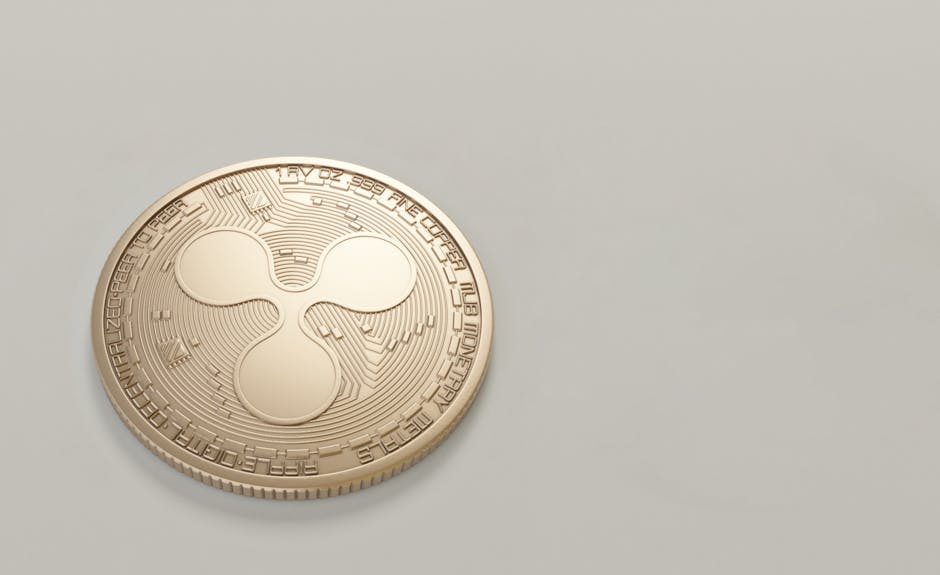
Quick Take
| Aspect | Details |
|---|---|
| Current Price | $0.50 (as of October 2023) |
| 2026 Price Target | $2.00 |
| Key Factors | Regulatory developments, market trends, adoption |
| Historical High | $3.84 (January 2018) |
Market Context
XRP was designed as a bridge currency for facilitating cross-border payments, offering faster transaction times and lower fees than traditional banking systems. Since its launch, XRP has seen significant fluctuations in value, currently hovering around $0.50 as of October 2023. For XRP to reach $2 again by 2026, several macroeconomic and industry-specific factors must be considered:
1. Regulatory Clarity
The ongoing legal battles, particularly with the U.S. Securities and Exchange Commission (SEC), have created a cloud of uncertainty around XRP. The outcome of these proceedings could greatly influence investor sentiment and market trust. A favorable ruling could open the floodgates for institutional investment and wider adoption of XRP as a legitimate currency.
2. Market Trends
The broader cryptocurrency market is known for its volatility. Bitcoin and Ethereum often set the tone, and any uptrend in these leading cryptocurrencies can positively affect the altcoin market, including XRP. Market sentiment, influenced by macroeconomic factors such as inflation, interest rates, and economic growth projections, will play a decisive role in XRP's future price movements.
3. Adoption and Use Cases
XRP's real-world applications and partnerships with financial institutions are crucial. Ripple has been working to expand its network and enhance the utility of XRP in transactions. Increased adoption by banks and enterprises can drive demand, which may help propel the price to the $2 mark.
Technical Analysis
Historical Performance
- All-Time High: XRP reached its all-time high of $3.84 in January 2018, driven by speculation and broader market enthusiasm.
- Recent Performance: Since its peak, XRP has faced significant downward pressure but has shown resilience during market recoveries.
Price Projections
- Bullish Scenario: If XRP can clear regulatory hurdles and secure partnerships, analysts suggest that reaching $2 by 2026 is feasible. The cryptocurrency markets often experience explosive growth after bullish trends, especially in cycles influenced by institutional adoption.
- Bearish Scenario: Conversely, continued regulatory challenges or a broader market downturn could see XRP struggle to maintain its current price, much less reach $2.
Impact on Investors
1. Risk vs. Reward
Investors must weigh the potential for high returns against the risks associated with regulatory scrutiny and market volatility. A price target of $2 represents a significant upside from current levels but comes with inherent risks.
2. Investment Strategies
- Long-Term Hold: Many analysts recommend a long-term holding strategy, encouraging investors to look beyond short-term price swings. If XRP achieves its potential use cases and overcomes legal challenges, a patient investor may see substantial returns.
- Diversification: Investors might also consider diversifying their portfolios to mitigate risks. Allocating funds across various cryptocurrencies can provide a buffer against the volatility that XRP might face.
Conclusion
While XRP's future remains uncertain, several key factors could influence its potential to hit $2 again by 2026. Regulatory clarity, market trends, and real-world adoption will play pivotal roles in shaping XRP's trajectory. Investors should remain informed and prepared for various scenarios as they navigate this dynamic market.
For those interested in cryptocurrency investments, keeping a close eye on XRP and other altcoins can provide lucrative opportunities, provided investors do their due diligence.