 Go Back


Quick Take
| Key Points | Details |
|---|---|
| Current Price Drop | XRP drops 3% under $1.40 due to high-volume selling. |
| Market Control | Sellers are confirmed to be in control of the market. |
| Failed Support | Previous support levels have transformed into key pivot points. |
| Future Targets | Downside targets are being re-evaluated as market dynamics shift. |
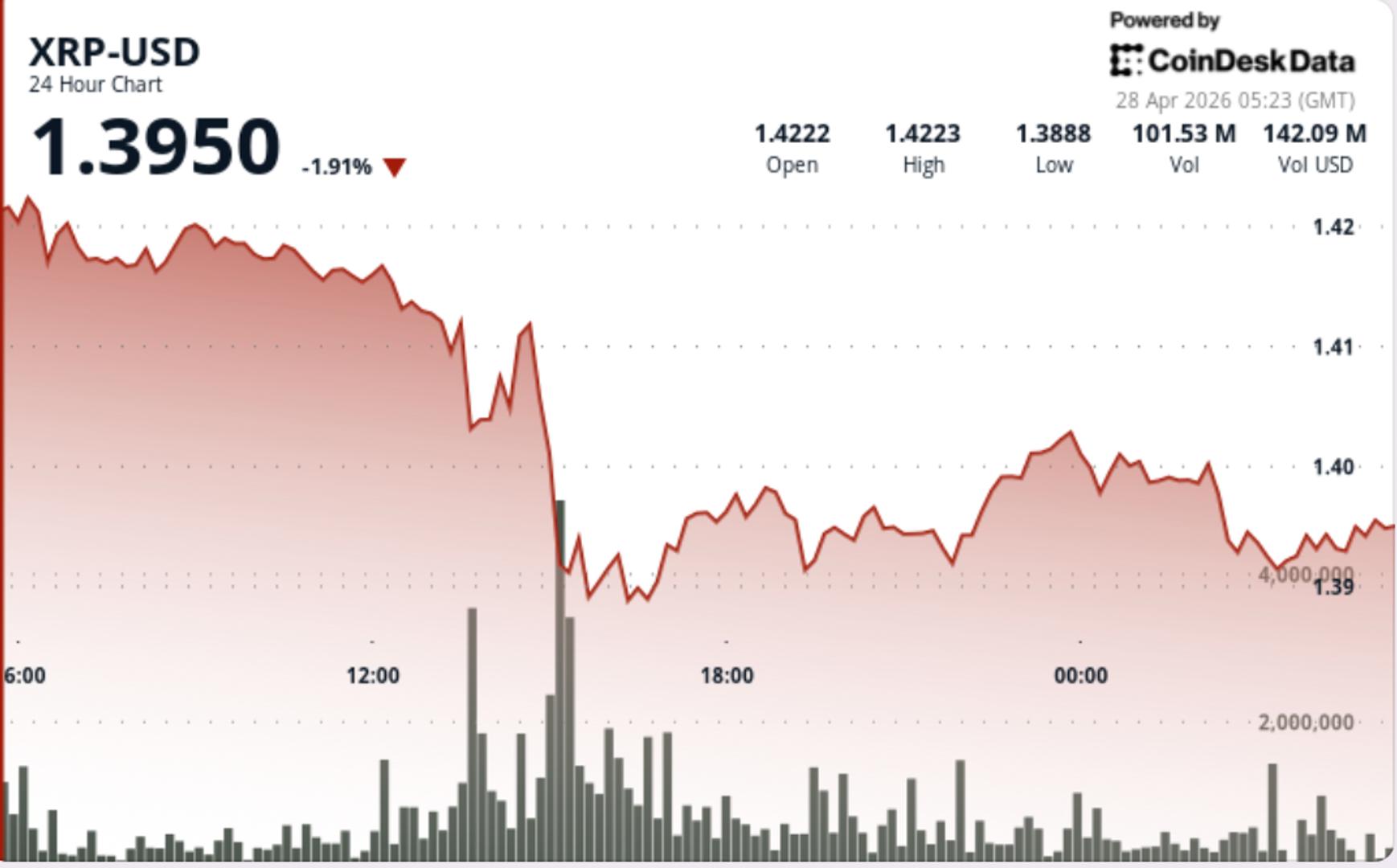
XRP has seen a notable decline, losing over 3% of its value and trading below the $1.40 mark. This significant price movement has been attributed to strong selling pressure, leading many analysts to believe that the sellers are firmly in control of the market. Understanding this shift requires a dive into the underlying market dynamics and broader economic factors that might be influencing XRP's performance.
Market Context
The recent price drop of XRP is a reflection of several interconnected factors within the crypto market and the global economy. Here are key aspects to consider:
- High-Volume Selling: The volume of sell orders has surged, indicating a lack of buying interest at current price levels. This often signals a bearish sentiment among traders and can lead to further declines as stop-loss orders are triggered.
- Failed Support Levels: Previous support levels around the $1.40 mark have now become areas of resistance. This transition indicates that market participants are further convinced that the price may not return to these levels without substantial bullish momentum.
- Technical Analysis Indicators: Traders often rely on technical indicators to gauge market sentiment. In this case, indicators may suggest that XRP could be headed towards a lower price range if selling continues.
Impact on Investors
For investors, XRP's decline poses several implications worth analyzing:
Market Sentiment Analysis: The current bearish sentiment suggests that investors need to reassess their positions. Many may consider reducing exposure to XRP until a clearer reversal pattern or bullish indicator emerges.
Long-term Valuation: In light of the broader macroeconomic factors, including interest rates, inflation, and regulatory changes, investors should evaluate XRP's long-term viability. The cryptocurrency's value may be affected by its utility and adoption rates, especially as new regulations could impact trading volumes and investor confidence.
Diversification Strategies: Investors might want to diversify their portfolios in response to XRP's volatility. Exploring other cryptocurrencies or investment vehicles could mitigate risks associated with holding XRP alone.
Future Price Projections: If current selling pressure persists, analysts may predict further downside targets. Investors should keep an eye on market news and technical analysis updates to stay informed about possible support levels and resistance points.
Historical Context of XRP's Volatility
XRP has experienced its share of volatility over the years, often tied to market trends and regulatory news. Historically, XRP has seen significant price fluctuations following developments in the legal suits against Ripple, its parent company.
- In early 2021, XRP witnessed a meteoric rise only to face intense scrutiny from regulatory bodies.
- The current decline may reflect renewed fears about the ongoing legal issues and their potential impact on XRP's future in the market.
Conclusion: What Lies Ahead for XRP?
With the current market showing strong selling pressure and the transition of support levels into resistance, XRP's trajectory remains uncertain. Investors should closely monitor market trends and consider a range of strategic approaches to navigate these turbulent waters. As XRP continues to grapple with both internal and external challenges, staying informed and adaptable will be paramount for any investor looking to engage with this altcoin. The interplay between market sentiment and macroeconomic factors will ultimately dictate the future of XRP in the cryptocurrency space.
Key Takeaways:
- XRP is experiencing significant selling pressure, indicating a bearish market sentiment.
- Failed support levels now represent resistance, complicating recovery efforts.
- Investors should assess their strategies and consider diversification in light of current market conditions.
- Staying updated on macroeconomic factors and regulatory developments is crucial for informed decision-making.