 Go Back


XRP's Struggles: Market Dynamics and Long-Term Implications
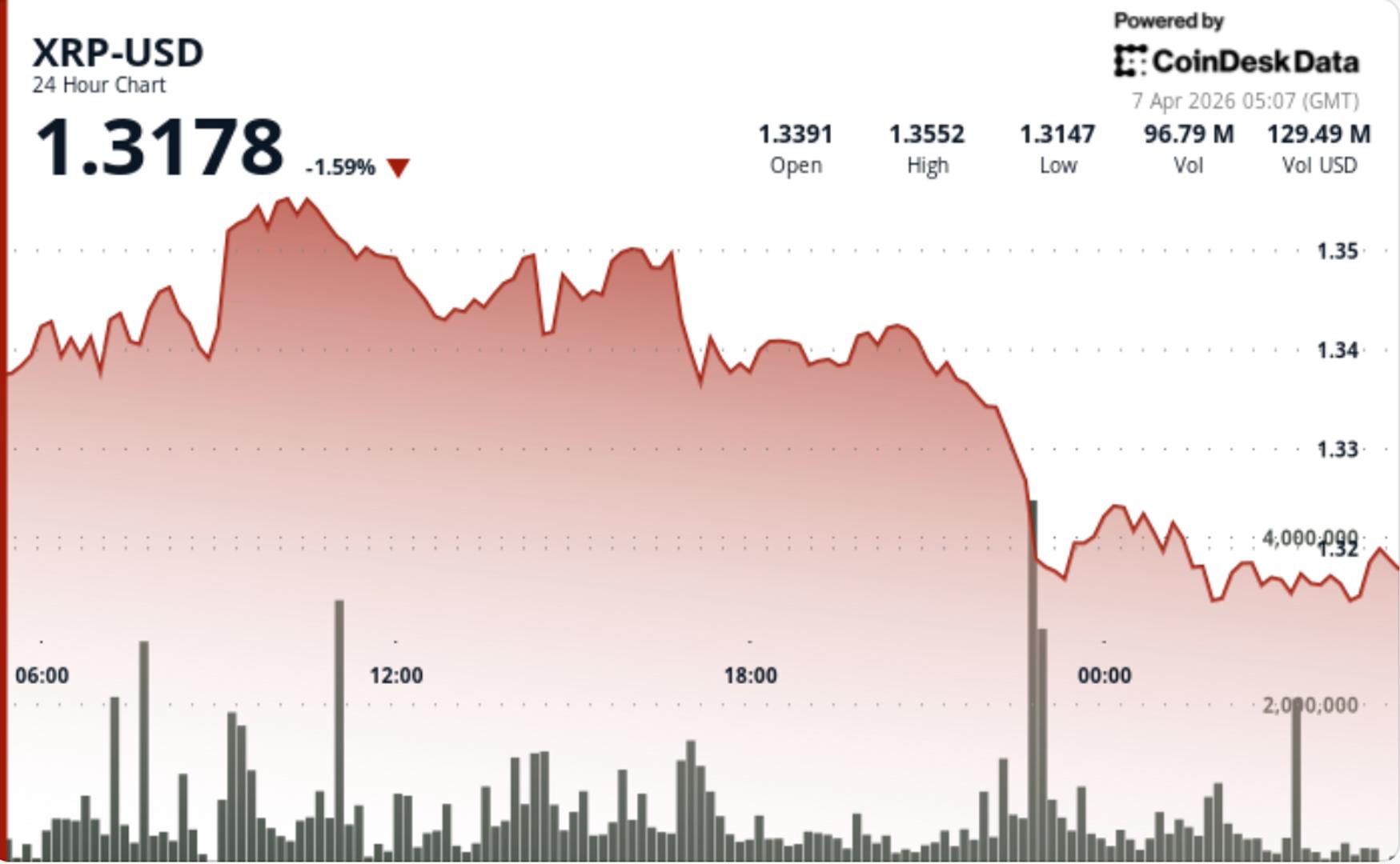
Liquidity is the lifeblood of any financial market, and its drying up can lead to significant volatility. Recently, XRP faced a palpable challenge as it slipped to $1.31 after a failed breakout attempt at $1.35. This drop highlights underlying market dynamics that investors must heed, especially given the current global economic climate.
Quick Take
| Metric | Current Value | Change | Implication |
|---|---|---|---|
| XRP Price | $1.31 | Down from $1.35 | Increased volatility risk |
| Market Liquidity | Low | N/A | Constrained price movements |
| Positioning | Building | N/A | Potential for sharp moves |
Market Context
The recent price movement of XRP is indicative of larger macroeconomic trends that are influencing the cryptocurrency landscape. As liquidity dries up, it raises the stakes for traders and investors alike. The rejection at the $1.35 price point signals that market sentiment is fragile, and with diminished buying power, any subsequent price action could lead to sharper swings.
Historically, cryptocurrencies have demonstrated high volatility during times of low liquidity. In 2018, for instance, Bitcoin experienced significant price fluctuations due to similar conditions. This historical context serves as a reminder for current investors to remain vigilant. The cryptocurrency market often mirrors broader economic movements, and understanding these correlations is essential for navigating its complexities.
Impact on Investors
For investors, the recent drops in XRP and broader market volatility may seem daunting, but they also present opportunities. Here are several key considerations:
- Risk Management: Investors must reassess their risk profiles in light of the current market conditions. The potential for sharper moves necessitates tighter stop-loss orders to mitigate losses.
- Long-term Positioning: Investors adopting a long-term perspective may view these dips as buying opportunities. The fundamentals of XRP and its utility within the blockchain ecosystem can provide a solid foundation for recovery, despite short-term fluctuations.
- Diversification: Maintaining a diversified portfolio is essential in periods of increased volatility. Investors should consider holding a mix of assets, including stablecoins, to balance exposure.
- Monitoring Macro Trends: As global economic indicators fluctuate, investors should keep an eye on traditional markets, interest rates, and regulatory developments that could influence crypto liquidity.
Future Predictions
Looking ahead, several factors could influence XRP and the broader cryptocurrency market in the coming months:
- Regulatory Landscape: As governments worldwide continue to grapple with the implications of cryptocurrencies, regulatory decisions will play a crucial role in shaping market dynamics. Favorable regulations may enhance liquidity, while stringent policies could have the opposite effect.
- Technological Advancements: Innovations surrounding blockchain technology, including improvements in transaction speed and efficiency, could foster greater adoption and, subsequently, liquidity.
- Market Sentiment: Investor sentiment is inherently tied to macroeconomic factors, including inflation rates, employment figures, and overall economic health. An improving economic environment could lead to an influx of capital into the cryptocurrency markets, stabilizing liquidity conditions.
Conclusion
In sum, XRP's recent struggles with price volatility serve as a microcosm of the broader cryptocurrency market's challenges amidst a changing global economic landscape. Investors must navigate these turbulent waters with a combination of strategic risk management and a forward-looking perspective that accounts for potential macroeconomic developments. By doing so, they can position themselves to capitalize on opportunities even in times of uncertainty.
Tags
- XRP
- Cryptocurrency
- Market Analysis
- Investment Strategies
- Liquidity Risks