 Go Back

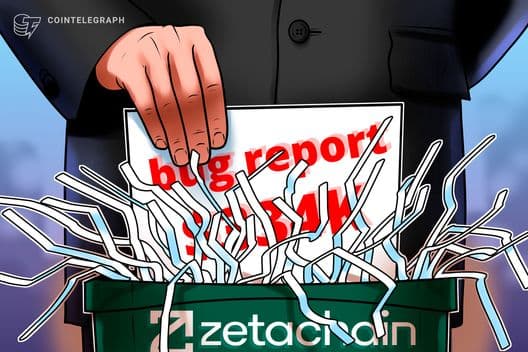
ZetaChain's $334K Exploit: Lessons on Vulnerabilities in Crypto
In a shocking turn of events, ZetaChain experienced a $334,000 exploit that could have been prevented had a previously reported vulnerability been taken seriously. This incident raises critical questions about security protocols in the crypto industry and highlights the importance of responsiveness to bug reports.

Quick Take
| Aspect | Details |
|---|---|
| Incident Cost | $334,000 |
| Bug Report Timing | Prior to the exploit |
| Response to Bug Report | Dismissed by ZetaChain |
| Security Implications | Significant vulnerabilities in Web3 projects |
| Industry Response | Calls for better security measures and protocols |
What Happened with ZetaChain?
ZetaChain is a multi-chain interoperability platform that aims to allow seamless communication between different blockchain networks. Recently, it faced a severe setback when a vulnerability within its system was exploited, leading to a considerable financial loss. The shocking part of this incident was that the vulnerability had been flagged before the exploit through the project’s bug bounty program but was dismissed, showcasing a critical lapse in security management.
Market Context
The Importance of Bug Bounty Programs
Bug bounty programs have become a standard practice in the tech industry, especially in fields as sensitive as cybersecurity and blockchain technology. These programs allow ethical hackers to identify vulnerabilities in a system and report them for a reward, helping organizations bolster their security preemptively. ZetaChain's case exposes a disconnect between recognizing potential threats and addressing them effectively.
The Broader Implications for Web3
The crypto landscape is inherently risky due to its decentralized nature and the complexities involved in smart contracts. The ZetaChain incident serves as a stark reminder of the vulnerabilities that exist and the importance of robust security practices. Investors are looking for projects with solid security measures, and incidents like this can significantly affect trust and investment decisions in the crypto space.
What Does This Mean for Investors?
Impact on Investor Confidence
The aftermath of such exploits often leads to a decrease in investor confidence, especially for platforms that have been compromised. Investors typically assess the security of a project before investing, and incidents like the ZetaChain exploit can lead to increased scrutiny and hesitation among potential backers.
Long-Term Implications for ZetaChain
For ZetaChain, rebuilding trust will be an uphill battle. The project will need to undertake a thorough security overhaul and engage transparently with its community regarding the incident. If not handled well, this exploit could mark ZetaChain as a less reliable option in the eyes of investors.
What Can the Industry Learn?
The ZetaChain exploit offers critical lessons for both developers and investors in the crypto space:
- Timeliness in Responding to Vulnerabilities: Quick action on reported vulnerabilities is crucial. Dismissing reports can lead to catastrophic consequences.
- Enhancing Security Protocols: Projects must adopt stringent security measures, including regular audits and having a responsive security team to address potential risks.
- Community Trust: Building a solid relationship with the community is vital. Transparency about vulnerabilities and how they are handled can foster trust, even after incidents.
- Education and Awareness: Continuous education on security practices for all involved in the project—from developers to investors—can help mitigate risks.
Conclusion
The ZetaChain exploit serves as a wake-up call for the entire crypto industry, emphasizing the need for enhanced security protocols and a proactive approach to vulnerability management. By learning from such occurrences, both developers and investors can work towards a more secure and trustworthy crypto ecosystem. The future of Web3 depends on how well stakeholders respond to and learn from incidents like this, as they shape the industry’s security landscape moving forward.