 Go Back

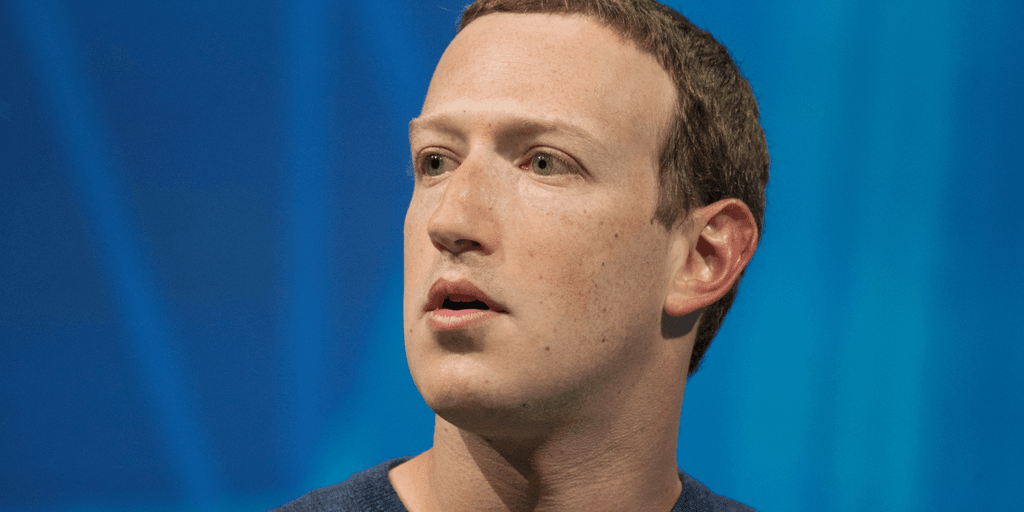
Mark Zuckerberg Eyes Prediction Markets Amid Crypto Evolution
The entry of tech giants into the blockchain and cryptocurrency space is becoming increasingly common, and Mark Zuckerberg's recent interest in prediction markets underscores this trend. Following his involvement with stablecoins and the metaverse, Zuckerberg's initiative represents a strategic pivot toward leveraging decentralized finance (DeFi) technologies. As the global macroeconomic landscape continues to evolve, the implications for these markets and their potential investors warrant a closer examination.

Quick Take
| Aspect | Details |
|---|---|
| Key Player | Mark Zuckerberg |
| Focus Area | Prediction markets |
| Related Trends | Stablecoins, Metaverse |
| Economic Context | Rising interest in decentralized finance amidst inflation concerns |
| Investment Implications | Potential for diversification and new revenue streams in DeFi |
Market Context
The cryptocurrency market has undergone significant transformations in recent years, particularly amid macroeconomic shifts. With inflation rates soaring and central banks around the world re-evaluating their monetary policies, the demand for alternative financial instruments has never been higher. In this context, prediction markets, which allow users to place bets on the outcomes of future events, have gained traction as tools for hedging risk and speculating on various macroeconomic indicators.
Zuckerberg's venture into prediction markets is particularly noteworthy given his previous efforts focused on stablecoins and the metaverse. The integration of prediction markets into the broader DeFi landscape indicates a recognition of the need for innovative financial products that can operate independently of traditional banking systems. This could lead to an influx of capital into cryptocurrencies as investors look for reliable avenues to manage their assets in an uncertain economic climate.
SWOT Analysis of Zuckerberg’s Prediction Market Initiative
Strengths
- Brand Recognition: Zuckerberg's association with Meta provides significant visibility and credibility to the initiative.
- Technological Infrastructure: With access to advanced technologies and a robust user base, Meta can potentially create a user-friendly and scalable platform.
- Innovation Driver: The introduction of prediction markets can catalyze further innovation in DeFi, attracting new users and liquidity.
Weaknesses
- Regulatory Scrutiny: As with many crypto initiatives, Zuckerberg's prediction market could face intense regulatory challenges, particularly concerning compliance and user protection.
- Market Competition: There already exist established players in the prediction market space, which may hinder initial adoption and user engagement.
- User Trust: Given past controversies surrounding Meta's data practices, building trust with users may be a significant hurdle.
Opportunities
- Educating the Market: Zuckerberg's platform can serve as an educational resource, helping users understand prediction markets and their utility in financial planning.
- Partnerships: Collaborations with existing DeFi projects could enhance user offerings and credibility.
- Expansion into Emerging Markets: Prediction markets could cater to users in regions with limited access to traditional financial systems, broadening Meta's user base.
Threats
- Market Volatility: The inherent volatility of cryptocurrencies could deter potential users from engaging with prediction markets.
- Government Regulations: Stricter regulations on crypto and DeFi could impact the viability of Zuckerberg's initiative.
- Technological Risks: Cybersecurity threats pose a constant risk to digital platforms, potentially jeopardizing user assets.
Impact on Investors
Zuckerberg's foray into prediction markets could represent a significant shift for retail and institutional investors. As these markets gain traction, they could offer new investment strategies and opportunities to hedge against economic uncertainties. For investors, the introduction of such innovative products can diversify portfolios and enhance risk management capabilities. However, it is essential to approach these new markets with caution, considering the regulatory landscape and the volatility inherent in the crypto ecosystem.
Moreover, if prediction markets become mainstream, they could reshape how investors perceive and engage with cryptocurrencies. The ability to bet on various economic outcomes, from political events to corporate earnings, could attract a broader audience to the crypto space, leading to increased adoption and investment.
In conclusion, Zuckerberg's exploration of prediction markets highlights a convergence of macroeconomic factors and technological innovation within the DeFi space. As investors continue to seek alternative avenues for wealth management, the evolution of these markets will undoubtedly play a critical role in shaping the future of finance, establishing new paradigms for risk assessment and investment strategies.